The Hidden Reason Some Dental Clinic Fillings Fail Within Two Years

Dental fillings are designed to restore damaged teeth and protect them from further decay. Most patients expect fillings to last for many years, yet some begin to crack, loosen, or fail much sooner than expected. Many people assume the filling material is always the problem, but the real cause is often more complicated. A trusted dental clinic in Beecher will usually explain that early filling failure can happen because of hidden habits, bite pressure, moisture contamination, or untreated decay beneath the surface.
Patients often feel frustrated when a filling needs replacement after only a short time. While no dental restoration lasts forever, fillings that fail within two years may point to underlying issues that were never fully addressed. Understanding these causes can help patients protect their oral health and avoid repeated dental work.
Moisture Control During Treatment Matters More Than People Think
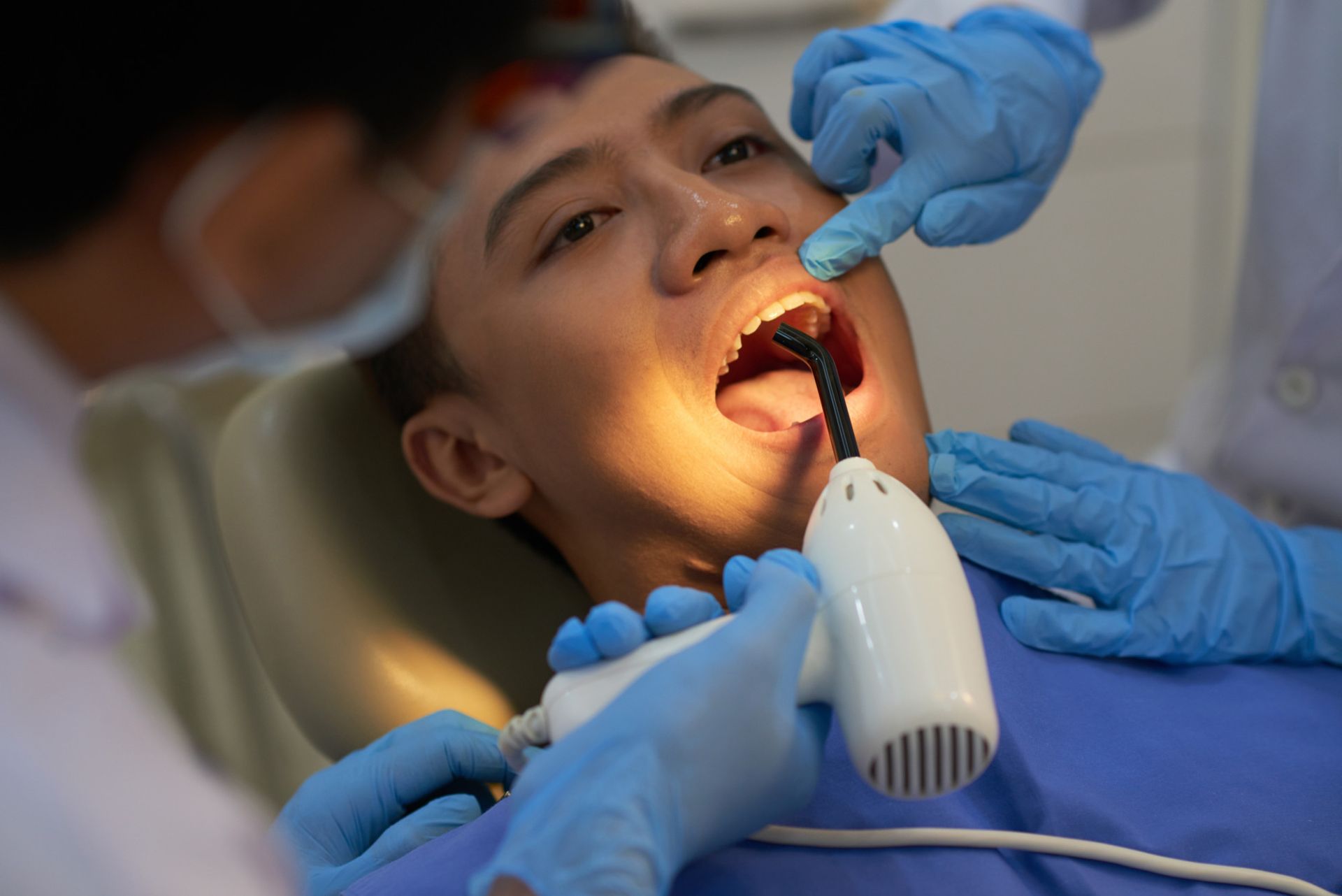
One of the biggest reasons fillings fail early is poor moisture control during placement. Teeth must remain dry while bonding materials are applied. Even small amounts of saliva can weaken the bond between the filling and the tooth structure. This creates tiny gaps where bacteria can enter and cause decay beneath the restoration.
An experienced dental clinic in Beecher understands how important isolation techniques are during treatment. Rubber dams, cotton rolls, suction devices, and careful preparation all help improve long-term success. When moisture interferes with bonding, patients may experience sensitivity, discoloration, or filling fractures sooner than expected.
At Flushing Family Dentistry, we focus on precise placement techniques because even small details can affect the lifespan of a restoration. Proper bonding procedures help fillings remain stable and comfortable for years.
Bite Pressure Can Slowly Damage Fillings
Daily biting pressure can slowly weaken fillings without obvious warning signs. Many patients do not notice the effects until damage becomes more serious.
- Chewing, clenching, and grinding place repeated stress on fillings.
- Uneven bites can create pressure that loosens or cracks restorations.
- A trusted dental clinic in Beecher often checks bite alignment after treatment.
- Bruxism during sleep may cause headaches, jaw pain, and worn enamel.
- Custom nightguards can help protect fillings from excessive pressure.
Early attention to bite problems can extend the life of dental restorations. Regular dental evaluations help detect pressure-related damage before larger issues develop.
Decay Under the Filling Often Goes Undetected
Another hidden reason fillings fail is recurring decay underneath the restoration. This happens when bacteria remain trapped in weakened tooth structure or when new decay forms around the edges of the filling. Since the damage develops below the surface, many patients do not notice symptoms until the problem becomes severe.
A quality dental clinic in Beecher typically uses digital imaging and careful examinations to monitor fillings over time. Early detection helps prevent larger problems such as infections, fractures, or root canal treatment. Patients who skip routine dental visits may not realize a filling is failing until pain develops.
Good oral hygiene also plays a major role in preventing recurring decay. Plaque buildup around fillings can create weak areas where bacteria thrive. Brushing twice daily, flossing carefully, and limiting sugary snacks can help protect both natural teeth and restorations.
Filling Material Selection Impacts Longevity
The type of filling material used can greatly affect how long a restoration lasts. Not every cavity requires the same treatment approach for lasting support.
- Composite fillings blend naturally with tooth color but may wear faster under heavy pressure.
- A dental clinic in Beecher evaluates bite force, cavity size, and tooth location carefully.
- Larger damaged areas may require crowns for improved durability and protection.
- Patient habits like grinding or chewing hard foods can influence material selection.
- Personalized treatment planning helps reduce repeated repairs and fractures.
Choosing the right restoration improves both comfort and long-term function. Careful material selection often leads to stronger, more reliable dental results.
Poor Oral Habits Can Shorten Filling Lifespan
Certain habits place extra stress on fillings and increase the chance of early failure. Chewing ice, biting fingernails, opening packages with teeth, and consuming excessive sugary drinks can weaken restorations over time. Acidic foods and beverages may also wear down the edges of fillings gradually.
A preventive-focused dental clinic in Beecher usually educates patients about habits that can damage both teeth and restorations. Small daily behaviors often have a larger effect on dental health than people realize. Protecting fillings requires consistent care outside the dental office as well.
Smoking can also interfere with oral health by increasing plaque buildup and slowing healing. Patients with dry mouth conditions may face higher risks, too, because reduced saliva allows bacteria to grow more easily around restorations.
The Skill Behind the Filling Makes a Difference
The success of a dental filling depends on more than just the material used. Technique, precision, and experience all play an important role in long-term durability. At Flushing Family Dentistry, consistent clinical care and attention to detail help support better outcomes for patients.
- Proper cavity preparation helps create a stronger foundation for the filling.
- Accurate bonding and shaping improve comfort and reduce early wear.
- A dependable dental clinic in Beecher focuses on bite adjustment after treatment.
- Preventive evaluations can identify habits or risks that damage restorations.
- Clear communication helps patients understand treatment options and oral health needs.
Careful attention during routine procedures can lower the risk of complications. Skilled dental care often leads to stronger, longer-lasting restorations and improved comfort.
Why Routine Checkups Help Fillings Last Longer
Regular dental visits are essential for monitoring the condition of fillings before major issues develop. Small cracks or weak areas can often be repaired early, preventing larger and more expensive treatments later.
A trusted dental clinic in Beecher will usually recommend exams and cleanings every six months, although some patients may need more frequent monitoring based on their oral health history. Routine visits allow dentists to identify bite problems, grinding damage, plaque buildup, and early signs of decay before fillings fail completely.
Professional cleanings also help remove hardened plaque around restorations that brushing alone cannot eliminate. Preventive care remains one of the most effective ways to extend the life of dental work and protect natural teeth.
Conclusion
Fillings that fail within two years are often linked to hidden problems that patients may never notice on their own. Moisture contamination, bite pressure, recurring decay, poor habits, and material selection can all affect how long a restoration lasts. Choosing a skilled dental clinic in Beecher and maintaining regular preventive care can greatly reduce the risk of early filling failure.
Understanding the real causes behind failed fillings helps patients make better decisions about their oral health. With careful treatment planning, healthy habits, and ongoing monitoring, fillings can remain strong, functional, and comfortable for many years.