
When Whitening and Bonding Can Make More Sense Than Jumping Straight to Veneers
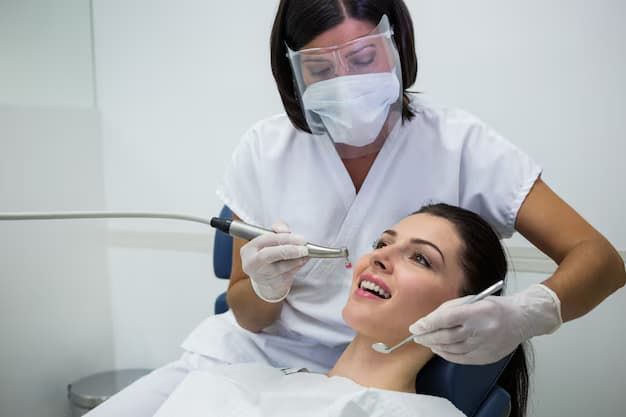
A brighter, more even smile doesn't always need a major cosmetic treatment. If you're unhappy with discoloration, small chips, uneven edges, or minor gaps, you have several options worth considering before jumping to veneers.
A cosmetic dentist can help you look at the bigger picture and figure out which treatment fits your teeth, your goals, and your budget. Sometimes a combination of professional whitening and composite bonding gets you the improvement you want while keeping more of your natural tooth structure intact.
At Flushing Family Dentistry, we believe cosmetic dentistry should be personal. The goal isn't just making teeth look different, it's creating a smile that looks natural and actually feels right for you.
Start With What You Want to Change
Before picking a treatment, it helps to pin down what's actually bothering you about your smile.
- Are your teeth darker than you'd like?
- Got a small chip?
- Is one tooth a little shorter than the others?
- Maybe there's a minor gap that's always caught your eye.
These concerns can have very different solutions.
A cosmetic dentist typically looks at the condition of your teeth, how much change you actually want, and whether a conservative treatment can get you there. This keeps you from jumping into a bigger procedure when something simpler would do just fine.
When Professional Whitening May Be Enough
Tooth whitening can be a solid first step when discoloration is the main issue.
Professional whitening lightens the color of natural teeth. It works well for certain stains caused by aging, food, drinks, and other factors. But it won't change the color of fillings, crowns, veneers, or other restorations.
That distinction matters a lot.
If you already have visible dental work in your smile, whitening your natural teeth can create a mismatch between the teeth and the restoration. A cosmetic dentist can look at your smile before treatment and talk through how whitening might affect the overall look.
Whitening also isn't right for every type of discoloration. Deep internal stains or changes tied to certain dental conditions might need a different approach entirely.
When Bonding Can Solve a Small Imperfection
Composite bonding is another conservative option for improving how certain teeth look.
During bonding, tooth-colored composite gets applied to the tooth and shaped to improve its appearance. Depending on the situation, it can handle small chips, minor gaps, uneven edges, or slight changes in tooth shape.
One real advantage: bonding often needs little to no removal of healthy tooth structure.
For someone with one or two small imperfections, that's a meaningful difference. Instead of changing several teeth, we can often just focus on the specific spot that's bothering you.
A cosmetic dentist can assess whether bonding fits based on the tooth's location, your bite, the size of the repair, and your overall oral health.
Why Veneers Are Not Always the First Choice
Veneers can dramatically change how teeth look. They're thin coverings placed over the visible surfaces of teeth, and they get considered for cosmetic concerns involving color, shape, size, or alignment.
But veneers aren't automatically the best answer for every smile.
Depending on the type and your individual situation, some tooth preparation may be needed. Veneers also need ongoing care, and they're not a substitute for treating active decay, gum disease, or other underlying dental problems.
That's why a cosmetic dentist should look past just the appearance of your smile before recommending anything.
If whitening or bonding can reasonably solve your concern, a more conservative approach usually makes more sense.
Combining Whitening and Bonding
Sometimes the best solution isn't choosing between whitening and bonding, it's using them in the right order.
Say you want your natural teeth lighter, and you also have a small visible filling or bonded area. Whitening might come before replacing or adding new cosmetic composite. Composite doesn't respond to whitening the same way natural enamel does, so treatment planning matters here for getting a consistent shade across your whole smile.
Your dentist can help figure out the right sequence based on your existing restorations and what result you're after.
That's one reason we encourage patients to talk through their full smile goals before starting any cosmetic treatment.
Your Oral Health Comes First
Cosmetic treatment should start on a healthy foundation.
Before recommending whitening, bonding, or veneers, your dental team will likely check your teeth and gums for cavities, gum inflammation, worn enamel, or damaged restorations.
A cosmetic dentist isn't just looking at whether a tooth looks attractive. We also have to consider how the teeth function, how they fit together, and whether the treatment you're considering actually makes sense for your oral health.
Handling underlying problems first makes cosmetic treatment more predictable and protects your smile over the long run.
Choosing the Right Level of Treatment
It's easy to assume a bigger cosmetic change automatically gives a better result. In reality, the right treatment just depends on what you're actually trying to accomplish.
If tooth color is your main concern, whitening is a reasonable starting point. If you've got a small chip or shape issue, bonding might give you exactly the improvement you need. If several cosmetic issues are affecting your smile at once, veneers might eventually be worth discussing.
We take the time to understand what you like and what you'd change. Our approach leans toward conservative options first, whenever they can get you a good result.
A cosmetic dentist can help you weigh these choices instead of assuming one treatment fits everyone.
Conclusion
A smile makeover doesn't have to start with veneers. For a lot of patients, professional whitening, composite bonding, or a carefully planned mix of both offers a more conservative way to address specific concerns.
The right choice depends on your teeth, your oral health, your expectations, and the kind of change you actually want.
Talking with a cosmetic dentist can help you understand those options and decide based on your individual smile, not a one-size-fits-all plan.
At Flushing Family Dentistry, we're here to help you explore your options, answer your questions, and choose an approach that keeps your natural smile at the center of the plan.


Are Clear Aligners More Effective Than Traditional Metal Braces for Straightening Teeth Comfortably?