Silver Diamine Fluoride for Kids: What Parents Should Know About This New Cavity Treatment
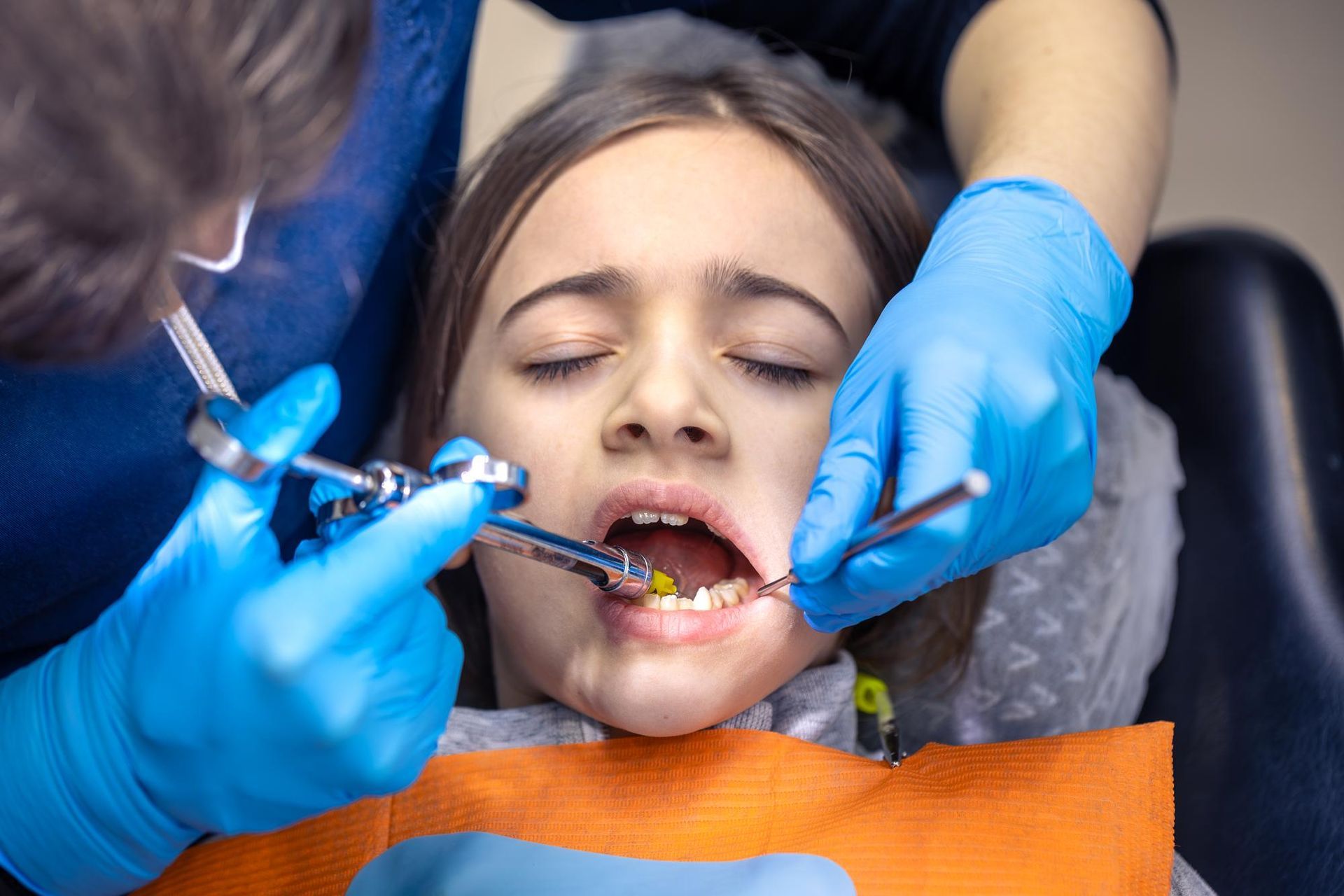
A cavity in a baby tooth can become a bigger concern than parents expect. Young children may have trouble sitting through a lengthy dental procedure, and some cavities can progress before they cause obvious discomfort. That’s one reason silver diamine fluoride for kids has attracted fresh attention in 2026.
A recent NIH-funded clinical trial involving 830 children between 1 and 6 years old found that, silver diamine fluoride (SDF) was more effective than a placebo at stopping severe early childhood caries from progressing. The study, published in JAMA Pediatrics in July 2026, adds new evidence to an area that dentists have been studying for years.
So what exactly is SDF, and where might it fit into a child’s dental care?
What is silver diamine fluoride?
Silver diamine fluoride is a topical dental treatment applied directly to an area of tooth decay. Rather than removing the decayed portion with a dental drill, SDF is designed to help arrest an active cavity.
The treatment contains silver and fluoride. Research indicates that it can affect the bacteria and the damaged tooth structure associated with dental caries, helping slow or stop the progression of a cavity. The American Academy of Pediatric Dentistry recognizes SDF as a minimally invasive option that can be considered as part of an individualized caries management plan.
That distinction matters. SDF isn't simply another version of a filling. It may be considered when a dentist is trying to manage decay while delaying or avoiding a more extensive procedure.
Why is SDF getting attention now?
The interest isn't based on one headline alone.
The 2026 NIH-supported trial followed 830 children ages 1 through 6 who had severe early childhood tooth decay. Children received either SDF or a placebo, with follow-up visits during the study. More than half of the treated cavities showed no further decay during the study period, compared with around 20% in the placebo group.
Another 2026 systematic review examined randomized trials comparing SDF with conventional restorative treatment for cavities in primary molars. The researchers found that, the available evidence suggested favorable short-term results, although they also noted that the number of suitable trials was limited and that longer follow-up research is still needed.
That last point is worth keeping in mind. New research can be useful without meaning every child should receive the same treatment.
What does the treatment actually involve?
SDF is applied to the affected tooth by a dental professional. One reason it has attracted interest in pediatric dentistry is that the procedure can be relatively simple compared with conventional restorative treatment.
For some young children, especially those who have difficulty cooperating during dental procedures, a minimally invasive approach may be considered as part of a broader treatment plan. The AAPD recommends that SDF application take place after a comprehensive oral examination and caries risk assessment, with treatment decisions made for the individual child.
Parents should also know about one very noticeable drawback.
SDF can permanently darken the decayed portion of a tooth. The healthy surrounding tooth structure isn't simply turned black, but the area affected by the cavity can become visibly dark after treatment.
For a baby tooth that will eventually be replaced, some families may consider that tradeoff differently than they would for a visible permanent tooth. Appearance is still part of the conversation.
Does SDF replace fillings?
Not necessarily.
One of the easiest mistakes to make when reading about silver diamine fluoride for kids is assuming that it makes traditional cavity treatment unnecessary. It doesn't.
A dentist still needs to examine the tooth and determine what is happening with the decay. Depending on the cavity, the child's age, oral-health history, risk factors, location of the tooth, and other circumstances, the recommended approach may involve monitoring, preventive care, SDF, a restoration, or another treatment.
The AAPD describes SDF as part of an ongoing caries management plan, rather than a stand-alone solution for every cavity.
That broader view is important because stopping one cavity doesn't automatically prevent another one.
What parents should ask before choosing a treatment
If your child has been diagnosed with a cavity, don't focus only on whether a procedure uses a drill.
Ask the dentist:
- How deep is the cavity?
- Is the tooth a baby tooth or permanent tooth?
- Is the decay active?
- Could the tooth be managed with a minimally invasive approach?
- What would happen if treatment were delayed?
- Will the treatment change the appearance of the tooth?
- What preventive steps should happen afterward?
These questions help turn a treatment decision into a conversation about the child's overall oral health.
For families looking for ongoing preventive and child-focused dental care, children's dental care can also include regular examinations and guidance based on a child's individual needs.
Why regular dental visits still matter
A cavity treatment doesn't fix the habits or conditions that allowed decay to develop.
Children's teeth are affected by brushing habits, fluoride exposure, diet, oral bacteria, and how consistently dental problems are identified. The AAPD recommends preventive measures such as brushing with fluoridated toothpaste, dietary counseling, professional fluoride applications when appropriate and regular dental care for children at increased risk of early childhood caries.
This is where a family dental practice can play a bigger role than simply treating a cavity once it appears.
At Flushing Family Dentistry, care is designed for both adults and children, with an emphasis on preventive dentistry and family-oriented treatment. The office also uses digital X-rays and digital patient records, while treatment rooms include TVs for patient education and comfort.
That combination matters for young patients. A child may need a different pace, a different explanation, or simply more time to become comfortable with the dental setting.
Is silver diamine fluoride right for every child?
SDF isn't right for every child or every cavity. The 2026 research is promising, but longer-term studies are still needed. SDF may stop decay from progressing without restoring the tooth's original shape, so additional treatment may still be recommended.
At Flushing Family Dentistry, children's dental care looks at the child's overall oral health, not just the cavity being treated. An examination helps determine which approach makes sense based on the tooth's condition, age, and function.
Conclusion
Silver diamine fluoride has given dentists another way to manage certain cavities in young children and recent research has added more evidence about its potential. Still, parents shouldn't view it as a replacement for fillings or other dental treatments.
Every child's situation is different. A dentist can assess the affected tooth, explain the available options and discuss what treatment may be needed next. If your child has a cavity, asking about SDF can be part of that conversation, along with prevention and regular dental visits.




Are Clear Aligners More Effective Than Traditional Metal Braces for Straightening Teeth Comfortably?