Invisalign in Flushing: Cost, Treatment Time & Overbite Correction
Invisalign in Flushing can help straighten teeth and improve certain bite problems without traditional metal braces. Treatment usually involves a series of clear, removable aligners worn for most of the day. The cost commonly falls between $3,000 and $8,000, while treatment may take around six months to a year or longer, depending on the case.
Mild crowding or spacing often takes less time, while complex tooth movement and overbite correction may require longer treatment. A dental evaluation is needed to determine whether Invisalign is suitable, especially when an overbite may involve jaw structure rather than tooth position.
What are Invisalign braces and how do they work?
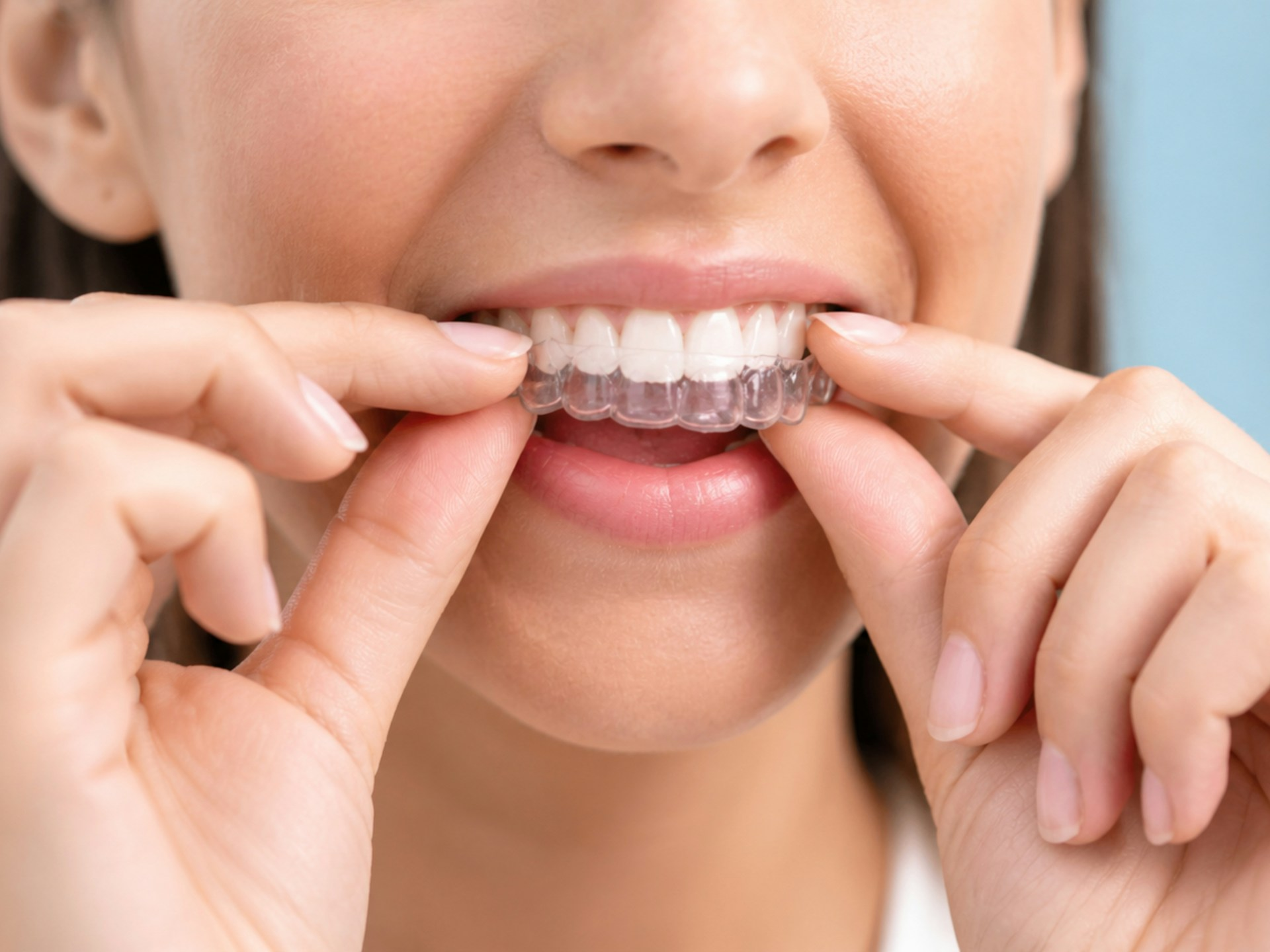
Invisalign braces are clear trays made to move the teeth toward specific positions. Each tray is shaped slightly differently from the one before it. As the patient moves through the series the teeth gradually follow the planned changes.
Treatment usually starts with an examination and digital scans or other dental records. The dentist uses these records to see how the teeth fit together and plan the movements.
Patients generally wear the aligners for most of the day. They come out for meals, brushing, and flossing. That's one of the parts people tend to like about clear aligners. There are no brackets sitting on the teeth while you're trying to clean around them.
How much does Invisalign cost?
Invisalign treatment typically costs around $3,000 to $8,000. That's a wide range and there's a reason for it. The price depends on the amount of correction needed, treatment length, number of aligners and the dental provider's fees.
A patient with minor spacing may need a shorter treatment plan. Someone with substantial crowding, or a bite problem may need more aligners and additional treatment time.
Insurance can sometimes cover part of orthodontic treatment, although coverage depends on the individual dental plan. FSA or HSA funds may also be available for eligible expenses. Some dental offices have financing, or monthly payment options.
What factors affect the cost of Invisalign treatment?
A few things can change the final price:
- How much tooth movement is needed: More complicated movement can mean more aligners.
- Crowding or spacing: A small gap is usually a different case from extensive crowding.
- Length of treatment: A longer treatment plan may cost more.
- Dental records: Scans, photographs, and other records may be included in the treatment fee.
- Follow-up care: Regular visits are used to check progress and fit.
- Refinement aligners: Some patients need additional trays after the initial series.
- Retainers: Retainers are needed after treatment and may have a separate cost.
- Insurance: Coverage can reduce the amount a patient pays out of pocket.
There isn't one fixed Invisalign price for every patient. The treatment plan decides the number.
How long does Invisalign take?
For some patients, Invisalign treatment takes about six months. More involved cases can take 12 months or longer. The main factor is the amount and type of movement required. Mild crowding or a few small spaces may take less time. A case that involves a larger bite correction usually takes longer.
Patients need to wear their Invisalign braces as instructed. If the trays spend too much time sitting in a case instead of in the mouth, the teeth may not move according to the planned schedule. Regular appointments give the dentist a chance to check progress and decide whether the treatment needs an adjustment.
Can Invisalign fix an overbite?
It can, in many cases. But an overbite isn't always caused by the same thing.
Sometimes the issue is mainly the position of the teeth. In other cases, the jaw relationship plays a bigger role. That distinction matters when deciding whether clear aligners are suitable.
| Overbite concern | What to know |
|---|---|
| Mild overbite | Clear aligners may move the teeth to improve the bite. |
| Deep overbite | Aligners may help, but a detailed examination is needed first. |
| Tooth position | Some overbites are related mainly to how the teeth are positioned. |
| Jaw structure | A significant jaw-related problem may need a different orthodontic approach. |
| Possible effects | A deep overbite can contribute to tooth wear, gum problems, or discomfort when biting. |
A dentist needs to look at the actual bite before saying what Invisalign can or can't do. That's especially true when the overbite is pronounced.
What happens during an Invisalign consultation?
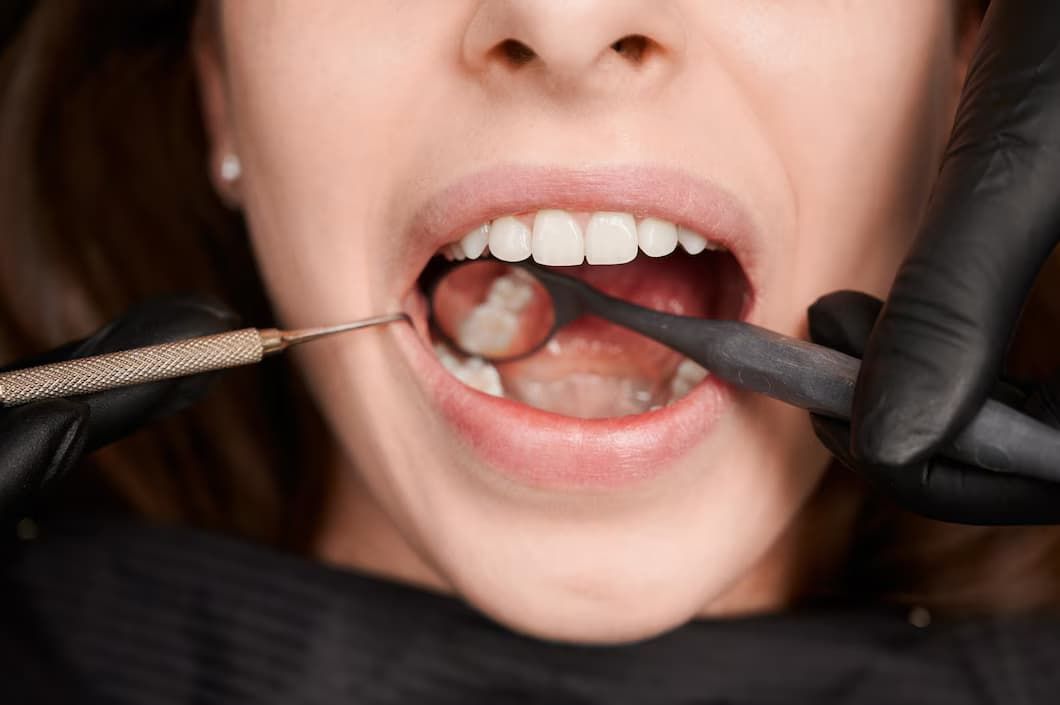
The appointment starts with a look at the teeth, gums, and bite. The dentist may also take digital scans and photographs.
Nothing complicated there. Those records help show how the teeth currently fit together and what movements may be needed. If Invisalign braces are appropriate, the dentist can then discuss the expected treatment time, estimated cost, follow-up schedule, and what wearing the trays will involve.
This is also the time to mention anything that's bothered you about your teeth. Maybe it's crowding. Maybe one tooth sits too far forward. Maybe the overbite is the main concern. Previous orthodontic treatment matters, too. A good consultation should leave the patient knowing what the treatment is expected to involve before making a decision and how each step fits into the Invisalign journey.
Are clear aligners suitable for everyone?
No. Clear aligners can handle many orthodontic problems, but they aren't the right choice for every case.
The teeth and gums need to be checked first. Cavities, gum disease, or other dental problems may need to be addressed before orthodontic treatment begins. The type of bite matters as well. Some cases respond well to clear aligners. Others may need traditional braces or another orthodontic treatment because the tooth movement required is more complicated.
The cause of the problem matters just as much as how the teeth look. A dentist or orthodontist can make that distinction during an examination.
How should I care for Invisalign aligners?
Aligner care is pretty straightforward. The bigger issue is making it part of the daily routine.
- Take the trays out before eating unless your dentist has told you otherwise.
- Brush and floss before putting the aligners back in.
- Clean the trays regularly according to your dentist's instructions.
- Keep them in a case when you're not wearing them.
- Don't leave them on a table, sink, or another dirty surface.
- Handle the trays carefully when taking them out or putting them back.
And don't put a dirty aligner straight back over uncleaned teeth. That can make oral hygiene harder during treatment.
Invisalign Treatment in Flushing
At Flushing Family Dentistry, we provide dental care for patients interested in clear aligner treatment in Flushing. A consultation can help determine whether Invisalign is appropriate based on the condition of the teeth, and bite.
The appointment can also cover the expected treatment time and estimated cost. Patients can discuss concerns such as crowding, spacing, or an overbite and find out what kind of correction may be possible. Visit our website or call us at (810) 659-7800. Email: smile@flushingdental.com
Frequently Asked Questions
Is Invisalign cheaper than traditional braces?
Not always. The price can be similar to traditional braces but it depends on the complexity of the case, treatment length, provider fees and available insurance coverage.
Can Invisalign fix crowded teeth?
Yes. Clear aligners can correct many mild to moderate cases of crowding by gradually moving the teeth. Severe crowding needs an examination first because aligners may not be suitable for every case.
Can Invisalign fix an overbite?
Many overbites can be treated with clear aligners. The answer depends on the severity of the bite and whether the problem comes mainly from tooth position or jaw structure.
How often are dental appointments needed?
The schedule depends on the treatment plan. Follow-up appointments let the dentist check tooth movement, see how the trays fit, and make changes when needed.
Can I eat while wearing Invisalign aligners?
Aligners are generally removed before eating. Afterward, clean your teeth before putting the trays back in. This helps keep food from sitting against the teeth while the aligners are in place.
How soon can I see results?
Some patients notice changes within a few weeks, but there isn't one timeline that applies to everyone. Tooth movement happens gradually, and the full result takes place over the course of treatment.