
The Overlooked Connection Between Composite Fillings and Teeth Whitening
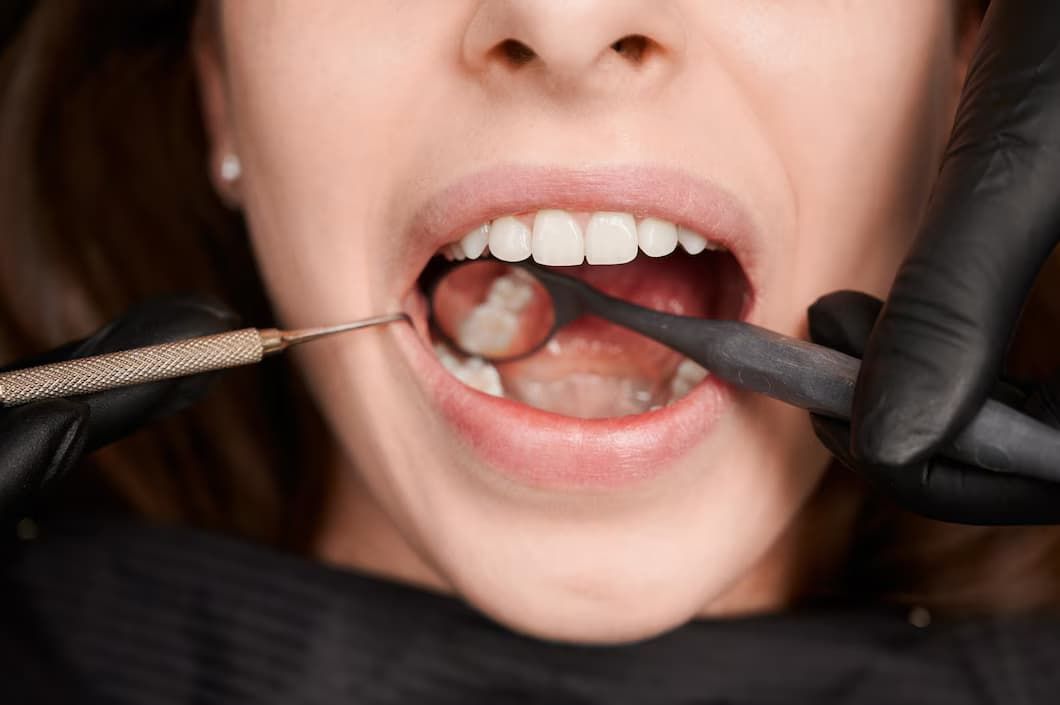
Professional teeth whitening can brighten natural enamel and improve the overall appearance of your smile. However, composite fillings in Flushing respond differently because the material does not lighten like natural tooth structure.
Understanding this difference is especially important, if you have visible fillings and are planning to whiten your teeth.
This matters if you have existing tooth-colored fillings and are considering professional whitening. The color of your natural teeth may change while the shade of the composite material stays the same. As a result, a filling that once blended in well may become more noticeable.
Understanding this connection can help you plan cosmetic and restorative treatment in the right order. At Flushing Family Dentistry, we consider the condition and appearance of your entire smile before recommending treatment.
Why Composite Fillings Do Not Whiten
Composite resin is a tooth-colored restorative material designed to repair damaged, or decayed teeth while maintaining a natural appearance. It can be carefully shaded to blend with the surrounding enamel when it is placed.
Professional whitening works differently. Whitening products use peroxide-based ingredients to break down certain stains within natural tooth structure. This can lighten the appearance of enamel and dentin, depending on the type and severity of discoloration.
Composite resin does not respond to whitening agents in the same way.
That means if you have composite fillings in Flushing and later whiten your natural teeth, the fillings generally remain close to their original shade. Your natural teeth may become several shades lighter, while the restorations remain unchanged.
What Can Happen After Whitening?
The effect may be subtle, especially when a filling is located toward the back of the mouth. However, restorations on visible teeth can become easier to notice after whitening.
For example, imagine that a composite restoration was originally matched to your natural tooth color. After whitening, your enamel becomes lighter, but the restoration remains at its previous shade. You may then see a slight difference between the two.
This does not necessarily mean anything is wrong with the filling. It simply means the surrounding natural tooth has changed color.
Patients considering composite fillings in Flushing should therefore tell their dentist if they are planning to whiten their teeth. Knowing your cosmetic goals can help us decide whether the existing restoration should remain in place or whether replacing it later may provide a closer color match.
Should You Whiten Before Replacing a Filling?
In many cosmetic situations, the timing of whitening and restorative treatment is worth discussing before treatment begins.
If a visible composite filling needs to be replaced and you also want a brighter smile, whitening first may allow the dentist to select a composite shade that better matches your newly whitened natural teeth. If the restoration is placed before whitening, its shade may no longer match as closely afterward.
The right sequence depends on why the filling needs attention, where it is located, its condition, and your overall treatment
goals. A filling that is damaged, leaking or affected by decay should not be left untreated simply to wait for whitening.
Our priority is always the health and function of the tooth first, followed by appearance when appropriate.
Not Every Filling Needs to Be Replaced
A change in color does not automatically mean that an existing restoration needs to come out.
If a filling is structurally sound and functioning properly, replacing it solely because the surrounding tooth has become
lighter may not always be necessary. Replacing a restoration also involves removing some existing material, and preparing the tooth again.
For patients with composite fillings in Flushing, we look at the complete picture rather than recommending replacement, based only on appearance.
We may consider factors such as the filling's age, condition, location, size, color difference, and whether the tooth has other concerns. This helps keep treatment conservative when possible.
What If Your Filling Is Already Noticeably Different?
If your teeth have been whitened and an existing filling now looks darker or more yellow than the surrounding enamel, schedule an examination rather than trying to correct the color yourself.
A dentist can determine whether the difference is caused by the natural tooth changing shade, the restoration becoming discolored over time, or another issue affecting the tooth.
Depending on the situation, options may include leaving the restoration as it is, polishing it when appropriate, or replacing it with a new restoration selected to match the current tooth shade.
For people researching composite fillings in Flushing, this is one reason a personalized evaluation is more useful than choosing treatment based only on photographs or general online information.
How Whitening and Restorative Care Can Work Together
Whitening and restorative dentistry do not have to be separate cosmetic decisions. They can be considered as parts of the same smile plan.
If you are interested in whitening and have several visible restorations, tell us before treatment begins. We can assess your current tooth color and discuss what whitening may change.
The same applies if you need a new filling and are thinking about whitening later. Planning ahead can make it easier to choose a restoration shade that fits your long-term goals.
At Flushing Family Dentistry, we want patients to understand why a treatment is recommended, what changes they can reasonably expect and how different procedures may interact.
Choosing the Right Approach for Your Smile
There is no single sequence that works for every patient. Someone with one small filling on a back tooth may have very different needs from someone with several visible restorations.
With composite fillings in Flushing, the goal is not simply to make a filling look white. The goal is to restore the tooth while maintaining a natural appearance and appropriate function.
If whitening is part of your plans, mention it during your dental consultation. We can evaluate your existing restorations and discuss whether whitening, restorative treatment, or a combination of both makes sense for your smile.
Conclusion
Teeth whitening can brighten natural enamel, but it does not change the shade of composite resin in the same way. That difference can become important when fillings are located in visible areas.
If you have composite fillings in Flushing and are considering professional whitening, talk with your dentist before starting treatment. Understanding how your natural teeth, and restorations may respond can help you avoid unexpected color differences and make better-informed decisions.
At Flushing Family Dentistry, we take the time to look at your individual dental needs rather than treating whitening or fillings as isolated procedures. With thoughtful planning, restorative care and cosmetic treatment can work together to support a healthy, comfortable, natural-looking smile.








Are Clear Aligners More Effective Than Traditional Metal Braces for Straightening Teeth Comfortably?