
Why Professional Whitening Isn't Always About Getting the Brightest Possible Smile
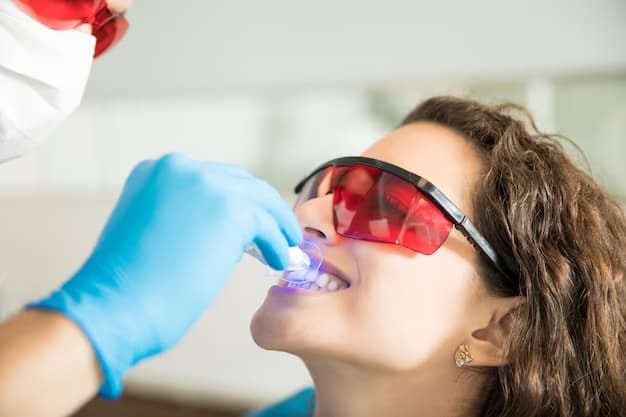
A brighter smile can feel refreshing, but professional teeth whitening isn't just a race to hit the lightest shade possible. The best result is one that looks natural, fits your features, and leaves your teeth feeling comfortable.
A lot of people start whitening with a simple goal: make my teeth whiter. But once you look closer at the condition of the teeth, existing dental work, and what someone actually expects, the conversation gets more personal fast.
At Flushing Family Dentistry, we believe a good whitening plan should focus on what looks and feels right for you, not on hitting some artificially bright shade.
Why "Whiter" Does Not Always Mean "Better"
Natural teeth are rarely pure white. Their color varies with genetics, age, enamel thickness, and the dentin sitting underneath the enamel. Some people naturally have warmer or slightly darker tooth shades, and that's normal.
Pushing teeth dramatically lighter doesn't always create the most balanced result. A very bright smile can actually look less natural, especially when it clashes with someone's complexion, lips, or existing dental restorations.
A teeth whitening specialist can help you understand what's realistic before treatment even starts. Instead of defaulting to the brightest shade available, we can talk through a result that actually complements how you already look.
Your Starting Shade Matters
Whitening doesn't affect every tooth the same way. Your starting shade shapes how noticeable the final change will actually be.
Surface stains from coffee, tea, red wine, tobacco, or certain foods usually respond well to professional whitening. Deeper discoloration is trickier and might need a different approach entirely.
That's why a teeth whitening specialist should look at your smile before recommending anything. We want to understand why your teeth look discolored not just assume more whitening automatically fixes it.
A dental exam can also catch cavities, gum problems, worn enamel, or other issues that should get addressed before any cosmetic treatment.
Existing Fillings and Dental Work Can Change the Plan
Whitening brightens natural teeth but it usually won't touch the color of dental restorations. Knowing what's already in your smile helps us plan more carefully.
- Composite fillings: they may not whiten the same way natural enamel does.
- Crowns and veneers: their shade generally stays the same during whitening.
- Visible restorations: whitening can make color differences more noticeable.
- Treatment timing: whitening before replacing visible restorations can help match shades better.
- Professional guidance: a teeth whitening specialist can review your dental work and talk through realistic results.
Planning ahead helps create a more balanced smile. We factor in your existing dental work whenever we discuss whitening options.
Sensitivity Is Worth Taking Seriously
Temporary sensitivity is one of the more common things people notice with whitening. Some feel discomfort drinking something cold or eating certain foods during or right after treatment.
Sensitivity doesn't mean whitening is off the table for everyone. But your dental history does matter here.
If you already deal with sensitive teeth, exposed roots, enamel wear, cavities, or other concerns, we might recommend handling those first or adjusting the whitening approach altogether.
Our goal isn't pushing through discomfort just to get a lighter shade. A teeth whitening specialist can help figure out the right approach for your situation, and comfort level.
Professional Whitening Is About Control
One reason patients choose professional whitening is the level of control it offers. Instead of repeatedly trying whitening products without knowing if they're actually right for you, you can talk through your goals with a dental professional first.
We look at the current condition of your teeth, the type of discoloration, your past whitening experience, and whether you have any restorations.
That matters, because whitening isn't a one-size-fits-all treatment. The right approach depends on the person behind the smile.
A teeth whitening specialist can also set realistic expectations about how much lighter your teeth might get and how long that result is likely to last.
Maintaining a Brighter Smile Takes More Than Whitening
Professional whitening doesn't permanently block new stains from forming. Everyday habits gradually affect tooth color over time.
Coffee, tea, dark-colored foods, tobacco, and certain drinks all contribute to staining. Good brushing and flossing habits help keep things clean, and regular dental visits let us keep an eye on your teeth and gums over time.
If you've recently finished whitening, following your dental team's care instructions helps protect that result.
A teeth whitening specialist can walk you through practical maintenance habits suited to your situation, rather than a generic routine.
When Whitening May Not Be the Best First Step
Sometimes discoloration isn't mainly surface staining. A single dark tooth, discoloration from an old injury, medication-related changes, or changes happening inside the tooth might not respond to conventional whitening the way typical surface stains do.
In those cases, cranking up the whitening intensity won't solve the actual problem.
That's why a consultation matters. A teeth whitening specialist can help figure out whether whitening is the right call, or whether another cosmetic or restorative option would better address what you're actually trying to change.
A Natural Smile Can Still Be a Bright Smile
The goal of professional whitening doesn't have to be an ultra-white smile. For a lot of patients, the better goal is a cleaner, fresher, brighter version of the smile they already have.
At Flushing Family Dentistry, we take the time to understand what you want to change and what you want to keep the same. We factor in your oral health, existing restorations, sensitivity, and cosmetic goals before talking through treatment.
If you're considering whitening, we can help you understand your options and decide whether professional treatment is right for you.
A teeth whitening specialist should help you make an informed decision, not just steer you toward the brightest shade on the chart.
Conclusion
A successful whitening result isn't measured only by how many shades lighter your teeth get. It's also about comfort, balance, predictability, and how naturally the result fits your smile.
The brightest possible smile isn't necessarily the right smile for every patient. With an individualized approach, professional guidance can help you get a brighter look while keeping your expectations realistic and your oral health front and center.
Our focus is on helping you make a confident, informed choice about your smile. If you're thinking about professional whitening, we're here to help you explore what might actually work best for your teeth and your goals.




Are Clear Aligners More Effective Than Traditional Metal Braces for Straightening Teeth Comfortably?