Dental Emergencies: What to Do for Broken or Knocked-Out Teeth
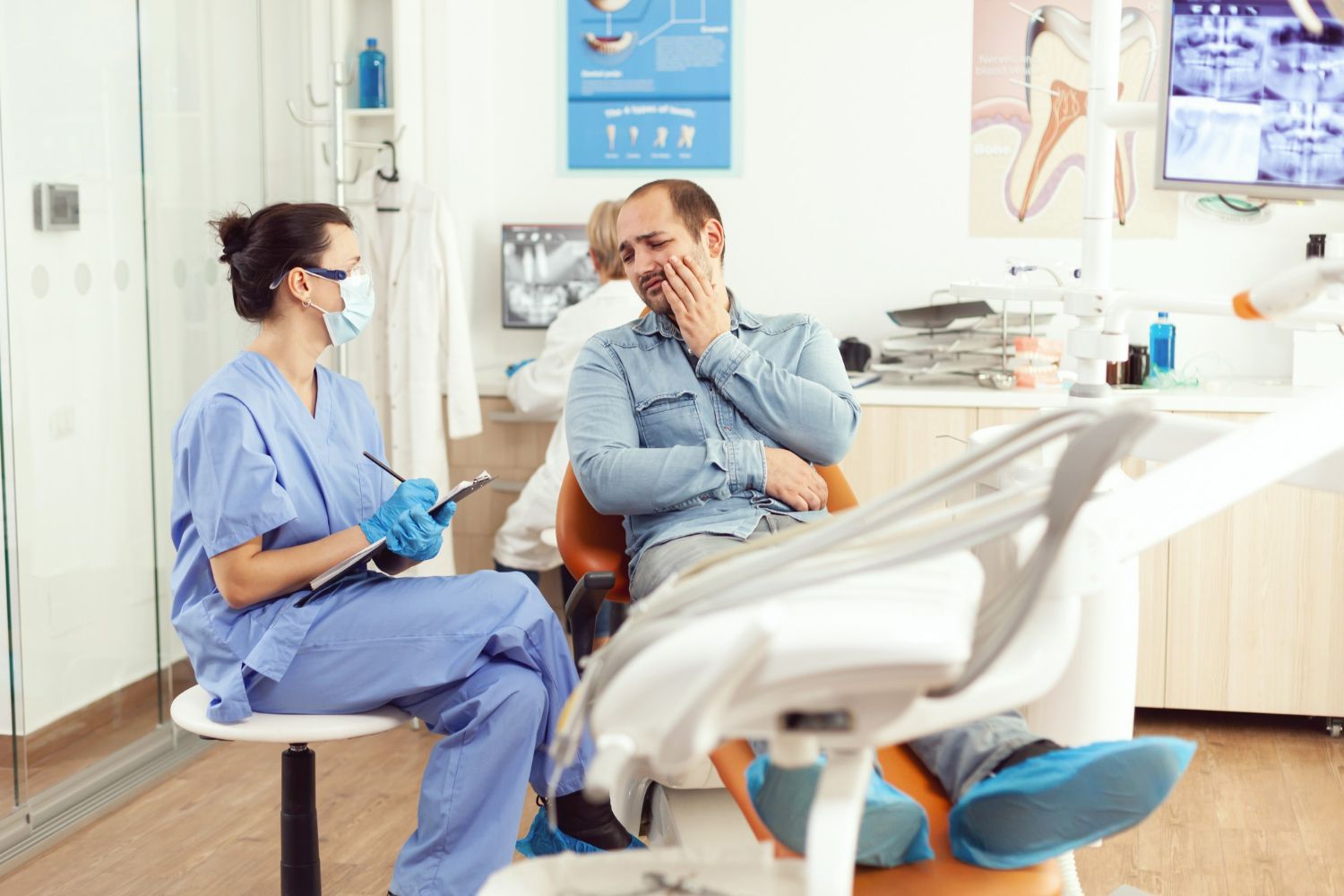
A broken or knocked-out tooth needs prompt dental care. Rinse your mouth gently, use clean gauze to control bleeding, and call your dentist. If a permanent tooth comes out completely, pick it up by the crown, keep it moist, and get dental help right away. Time matters here.
The next step depends on the injury. A small chip may need a simple repair, while a knocked-out permanent tooth needs urgent attention. Even if the pain isn't bad don't assume the damage is minor.
What should I do if my tooth breaks?
If your tooth breaks, rinse your mouth with warm water, save any pieces you can find, and call your dentist. Use a cold compress on the outside of your cheek if there's swelling. Avoid chewing on the damaged side until a dentist has checked the tooth.
Some chips barely hurt. A deeper break can expose the inner part of the tooth causing sensitivity or pain when you bite down. A sharp edge can also cut your tongue or cheek, which gets annoying quickly.
Don't try to glue the broken piece back with household adhesive. It can cause more problems. Keep the fragment in a clean container and bring it to your appointment.
The dentist will decide how to repair the damage. A small chip may need bonding while a larger break could require a filling or crown. If the fracture reaches the pulp, the soft tissue inside the tooth then root canal treatment may be needed.
What should I do if my tooth gets knocked out?
If a permanent tooth gets knocked out, pick it up by the white crown, avoid touching the root, and seek emergency dental care immediately. Try to reach a dentist within 30 minutes. A quick response gives the tooth a better chance of being saved.
If the tooth is dirty, rinse it briefly with milk or clean water. Don't scrub it or scrape the root. The cells on the root surface help the tooth reattach, and rough handling can damage them.
If you can place the tooth back into its socket without forcing it, gently do so. If that isn't possible, put it in milk or a tooth-preservation solution and take it with you. Don't wrap it in a dry tissue or leave it sitting on a counter.
There's one important exception for parents. Never put a knocked-out baby tooth back into its socket because this can damage the permanent tooth developing underneath. Contact a dentist for advice.
Already passed the 30-minute mark? Go anyway. A dentist can still examine the tooth and explain what treatment may be possible.
When should I see an emergency dentist?
See an emergency dentist promptly if a permanent tooth has been knocked out, a tooth has a deep fracture, or you have severe tooth pain. A broken or knocked-out tooth needs prompt assessment even if the pain seems manageable. Bleeding that won't stop, a loose tooth after an injury or swelling that keeps getting worse also needs attention.
Look out for these dental emergency signs;
- Bleeding that continues despite steady pressure with clean gauze.
- Swelling in the gums or face that is getting worse.
- A tooth that has shifted or become loose after an injury.
- Pain that makes eating or sleeping difficult.
- Fever or a bad taste alongside swollen gums.
Don't wait for a dental appointment if you have trouble breathing or swallowing, rapidly spreading swelling, heavy uncontrolled bleeding, or a suspected jaw fracture. Seek emergency medical care instead.
A chipped tooth without pain still deserves a dental examination. Pain isn't a reliable way to judge how badly a tooth has been damaged. Some fractures aren't obvious until a dentist checks them.
What happens during emergency dental treatment?
During emergency dental treatment, the dentist examines the injured tooth, and surrounding gums, asks how the injury happened, and may take X-rays. These images can reveal damage below the surface, that isn't easy to spot by looking at the tooth.
Treatment depends on the injury. A minor chip may need smoothing or bonding. A larger break could require a crown while damage to the pulp may call for root canal treatment. A knocked-out permanent tooth may be placed back in its socket and held in position with a splint.
The first visit usually focuses on the immediate problem. Further treatment may be needed once the dentist has assessed how the tooth responds.
For more information, read Flushing Family Dentistry's article on why emergency dentistry isn’t always an emergency.
Can I get a same-day dental appointment?
A same-day dental appointment may be available for a broken or knocked-out tooth, or another urgent dental problem. It depends on the injury and the practice's schedule, so call the office directly rather than relying only on an online request.
At Flushing Family Dentistry, patients can call (810) 659-7800 during office hours to ask about urgent appointments. The practice is located at 319 W. Main St., Flushing, Michigan.
Explain what happened, when it happened, and whether you have pain, swelling, or bleeding. If a permanent tooth has come out completely, say so straight away.
How can I prevent broken teeth?
You can't prevent every dental injury, but a few everyday habits can lower the risk. Wear a properly fitted mouthguard for contact sports, avoid chewing ice or other hard objects, and don't use your teeth to open packaging. That last habit can seem harmless until a tooth chips.
Regular dental visits help, too. During a routine dental checkup, dentist can look for decay, weakened fillings or cracks that may make a tooth more likely to break. Treating a problem early may save you from a more involved repair later.
Frequently asked questions
Can a broken tooth heal on its own?
No. A broken tooth can't grow back the missing enamel, or repair a fracture by itself. Pain may settle down, but the damage can remain and worsen. A dentist can examine the tooth and decide whether it needs bonding, a filling, a crown or root canal treatment.
How long can a knocked-out tooth stay outside the mouth?
A knocked-out permanent tooth has a better chance of being saved, when it's replaced quickly, ideally within 30 minutes. Keep it moist in milk or a tooth-preservation solution and avoid touching the root. Get dental care immediately, even if more time has passed.
Should I go to the hospital for a broken or knocked-out tooth?
A dentist can usually treat a broken tooth but some injuries need hospital care. Go to an emergency department if you have trouble breathing or swallowing, severe facial trauma, rapidly spreading swelling or a suspected jaw fracture.
Can I eat after breaking a tooth?
It's best to avoid chewing on the broken tooth until a dentist has checked it. If you need to eat, choose soft foods and avoid anything hard, sticky, very hot, or very cold if it triggers pain. Arrange a dental appointment even if the discomfort seems manageable.
Should I put a knocked-out baby tooth back in its socket?
No. Replacing a knocked-out baby tooth can harm the permanent tooth developing underneath it. You may contact us for advice, particularly if your child has ongoing bleeding, pain, or other mouth injuries.
What should I tell the dentist when I call?
Tell the dentist when the injury happened, which tooth is affected, and whether there's pain, bleeding, or swelling. If a permanent tooth has been knocked out, mention that first. These details help the dental team understand how urgently you need to be seen and advise you while you arrange care.