Why Some Children Still Get Cavities After Teeth Sealants Despite Good Brushing Habits
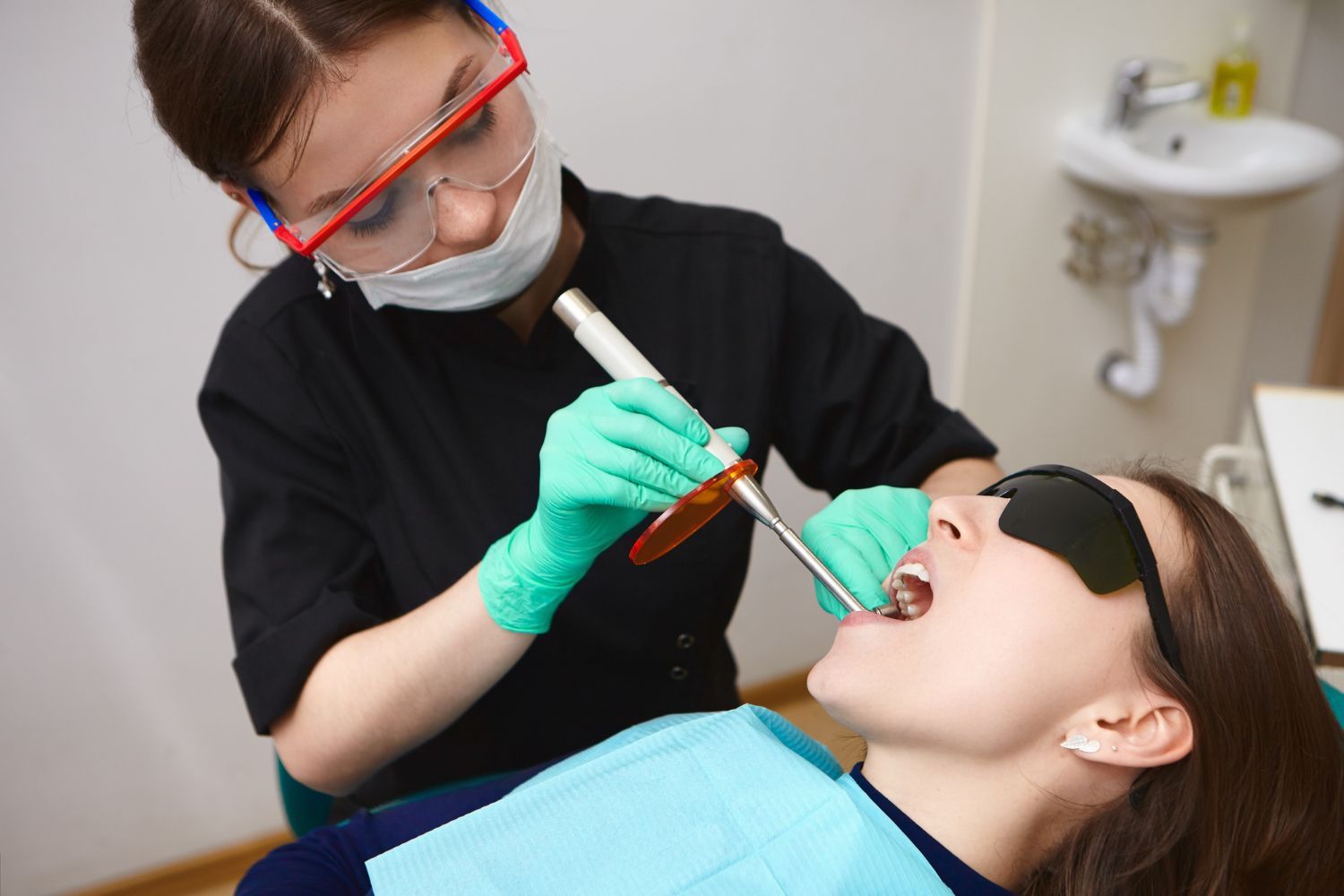
Parents are often surprised when a child develops cavities even after brushing regularly and receiving teeth sealants in Flushing. Sealants are highly effective, but they are not a complete guarantee against tooth decay. Children still face daily exposure to sugar, acids, bacteria, and habits that can weaken enamel over time.
Many families assume brushing alone is enough to protect every surface of the teeth. In reality, cavities can form in areas that are difficult to clean or in places where sealants do not fully cover. Understanding how decay develops helps parents make smarter decisions about preventive care and long-term oral health.
How Sealants Protect Teeth
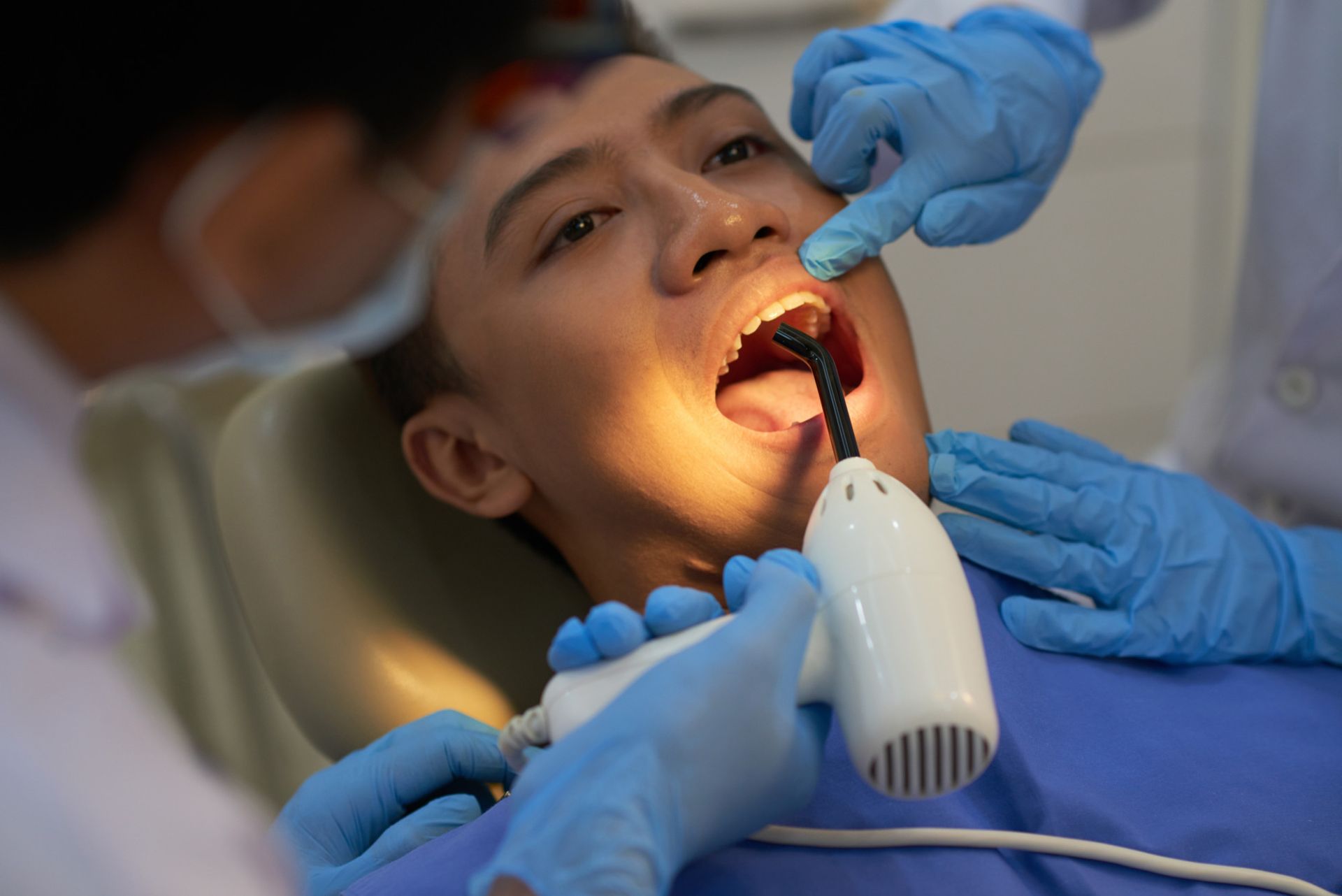
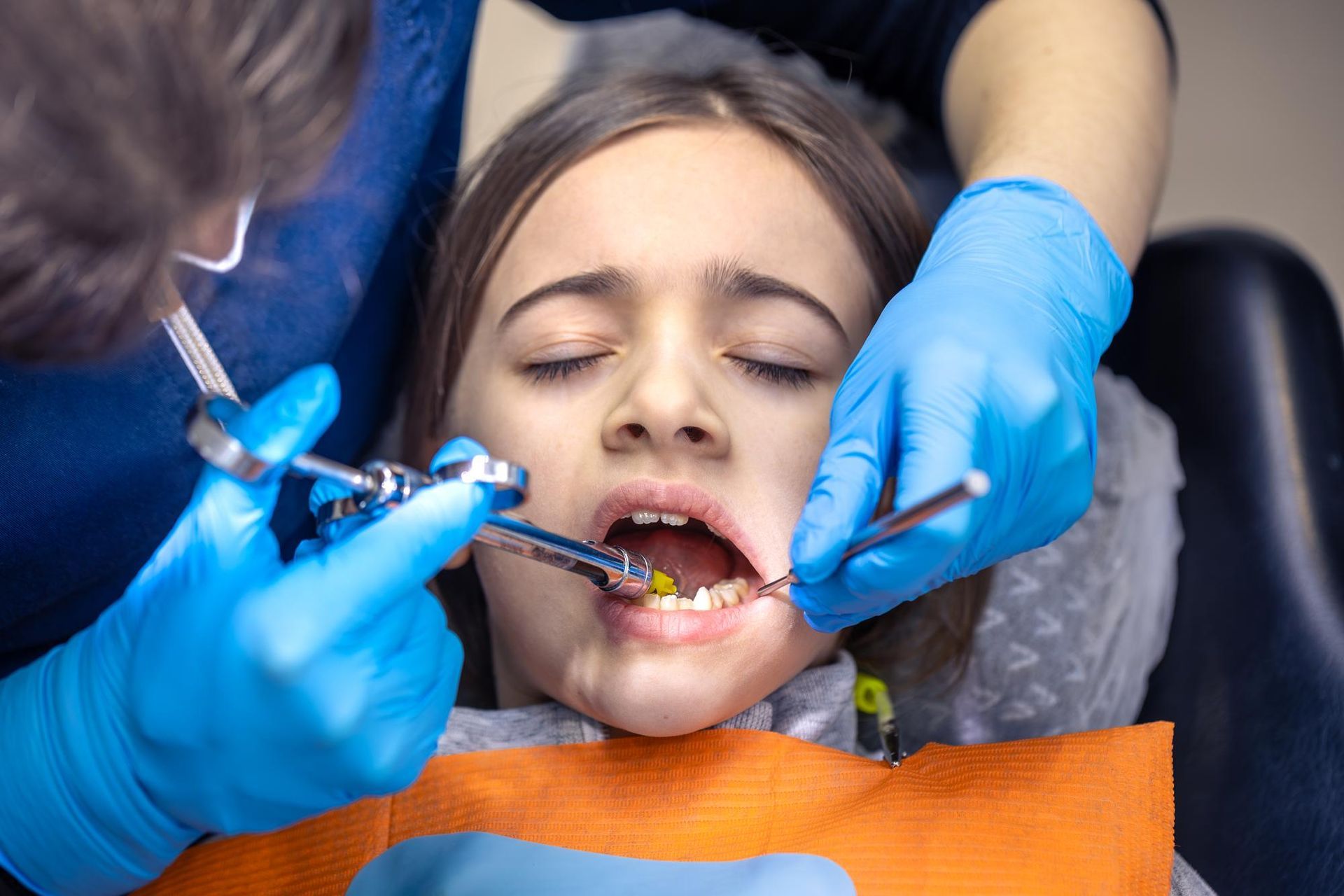
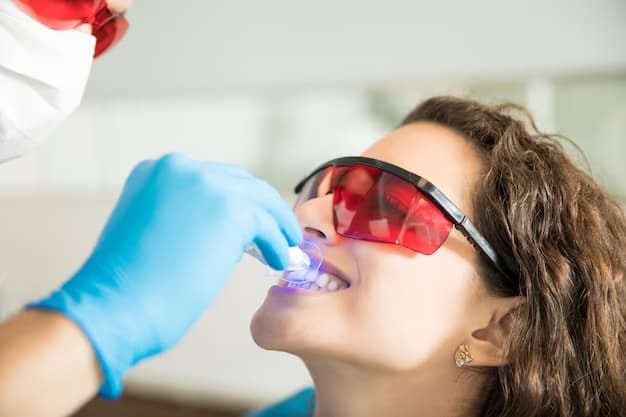
Dental sealants are thin protective coatings placed over the chewing surfaces of molars. These back teeth contain deep grooves where food particles and bacteria often collect. Even children who brush carefully may miss these narrow spaces during daily cleaning.
Dentists commonly recommend teeth sealants in Flushing for school-age children because molars are especially vulnerable after they erupt. Sealants create a smoother surface that helps block bacteria and plaque from settling into the pits of the teeth.
At Flushing Family Dentistry, many parents choose sealants as part of a complete cavity prevention plan for growing children. While sealants reduce risk significantly, they still work best when combined with healthy habits and routine dental care.
Cavities Can Form on Unprotected Areas
One important fact many parents do not realize is that sealants only cover certain parts of the tooth. The sides of the teeth, spaces between teeth, and gumline areas remain exposed to bacteria and acids every day.
A child may receive teeth sealants in Flushing and still develop decay between two molars because flossing was inconsistent or sugary snacks stayed trapped for long periods. Cavities often begin in places that toothbrush bristles cannot fully reach.
This is one reason dentists continue recommending regular exams and cleanings even after sealants are placed. Early detection allows providers to spot weak enamel or small cavities before they become more serious.
Brushing Technique Matters More Than Frequency
Many children brush every day, yet still miss important areas that allow plaque and bacteria to remain on the teeth. Proper technique often matters more than simply brushing more often.
- Quick brushing may leave food and plaque behind.
- Poor brushing angles can miss gumlines and back molars.
- Younger children often skip hard-to-reach tooth surfaces.
- Brushing should last at least two full minutes.
- Gentle circular motions clean teeth more effectively.
- Sealants support protection but do not replace brushing habits.
At Flushing Family Dentistry, we help families improve brushing routines during preventive visits. Small daily changes can greatly reduce cavity risks.
Diet Plays a Bigger Role Than Most Parents Expect
Even excellent brushing cannot fully overcome frequent sugar exposure. Sticky candies, sports drinks, fruit snacks, soda, and frequent snacking feed the bacteria that create harmful acids inside the mouth.
Children who receive teeth sealants in Flushing may still experience decay if sugary foods are consumed throughout the day without proper rinsing or brushing afterward. Repeated acid attacks gradually weaken enamel and increase cavity risk.
Foods that cling to molars are especially problematic because they remain trapped in grooves and between teeth for long periods. Water, crunchy vegetables, dairy products, and balanced meals help support healthier enamel and reduce harmful bacteria.
Sealants May Wear Down Over Time
Sealants are durable, but they are not permanent. Chewing, grinding, and normal wear can slowly weaken the material. In some cases, sealants may chip or partially detach without obvious symptoms.
Routine dental visits help dentists check whether teeth sealants in Flushing are still fully intact and are protecting the tooth surface correctly. If a sealant becomes damaged, bacteria can enter the exposed groove and begin forming decay underneath.
At Flushing Family Dentistry, sealants are evaluated during regular checkups so children continue receiving reliable protection as their teeth develop. Reapplication is sometimes necessary to maintain proper coverage.
Dry Mouth and Breathing Habits Can Increase Risk
Saliva plays an important role in protecting children’s teeth from harmful acids and bacteria throughout the day. When the mouth stays dry, cavity risks can increase even with regular brushing habits.
- Saliva naturally washes away food particles and bacteria.
- Mouth breathing may reduce healthy moisture inside the mouth.
- Certain medications can contribute to dry mouth problems.
- Dry conditions allow bacteria to grow more easily.
- Poor hydration may weaken enamel protection over time.
- Early attention to breathing habits supports better oral health.
Parents considering teeth sealants in Flushing should also focus on hydration and healthy daily habits. Simple preventive steps can help lower cavity risks significantly.
Genetics and Enamel Strength Also Matter
Some children naturally have deeper grooves in their molars or weaker enamel structures that make teeth more vulnerable to decay. Genetics can influence how resistant enamel is against acid attacks and bacterial buildup.
Even with strong hygiene habits and teeth sealants in Flushing, certain children may still experience occasional cavities because of inherited enamel characteristics. This does not mean the child or parent failed. It simply means preventive care must remain consistent and personalized.
Dentists evaluate each child differently based on cavity history, enamel quality, diet, and overall oral health patterns.
Why Preventive Dental Visits Remain Essential
Sealants work best when combined with professional monitoring, fluoride exposure, healthy nutrition, flossing, and proper brushing. Preventive appointments allow dentists to catch problems early before discomfort or major damage occurs.
Children receiving teeth sealants in Flushing benefit most when families view sealants as one part of a larger prevention strategy rather than a permanent solution. Small habits practiced consistently over time usually create the strongest long-term results.
Conclusion
Sealants provide valuable protection for children, but they cannot completely eliminate the risk of cavities. Tooth decay can still develop because of diet, poor brushing technique, worn sealants, dry mouth, or hard-to-clean areas between teeth.
Families choosing Teeth Sealants in Flushing should understand that preventive care works best when combined with healthy daily habits and regular monitoring. Understanding these factors helps parents make informed choices about daily oral care.
A balanced approach that combines strong hygiene habits, regular dental visits, healthy nutrition, and preventive treatments gives children the best chance of maintaining healthy smiles for years to come.