Professional vs DIY Whitening: What a Teeth Whitening Specialist Knows That Makes the Difference
A brighter smile often feels like a small change with a big impact, yet the way people try to achieve it can vary widely between quick home solutions and carefully planned clinical care. Many over-the-counter products promise fast whitening, but they rarely consider enamel strength, stain depth, or long-term oral balance. This is where a teeth whitening specialist brings clarity by focusing on safety, precision, and results that actually last instead of temporary surface improvement.
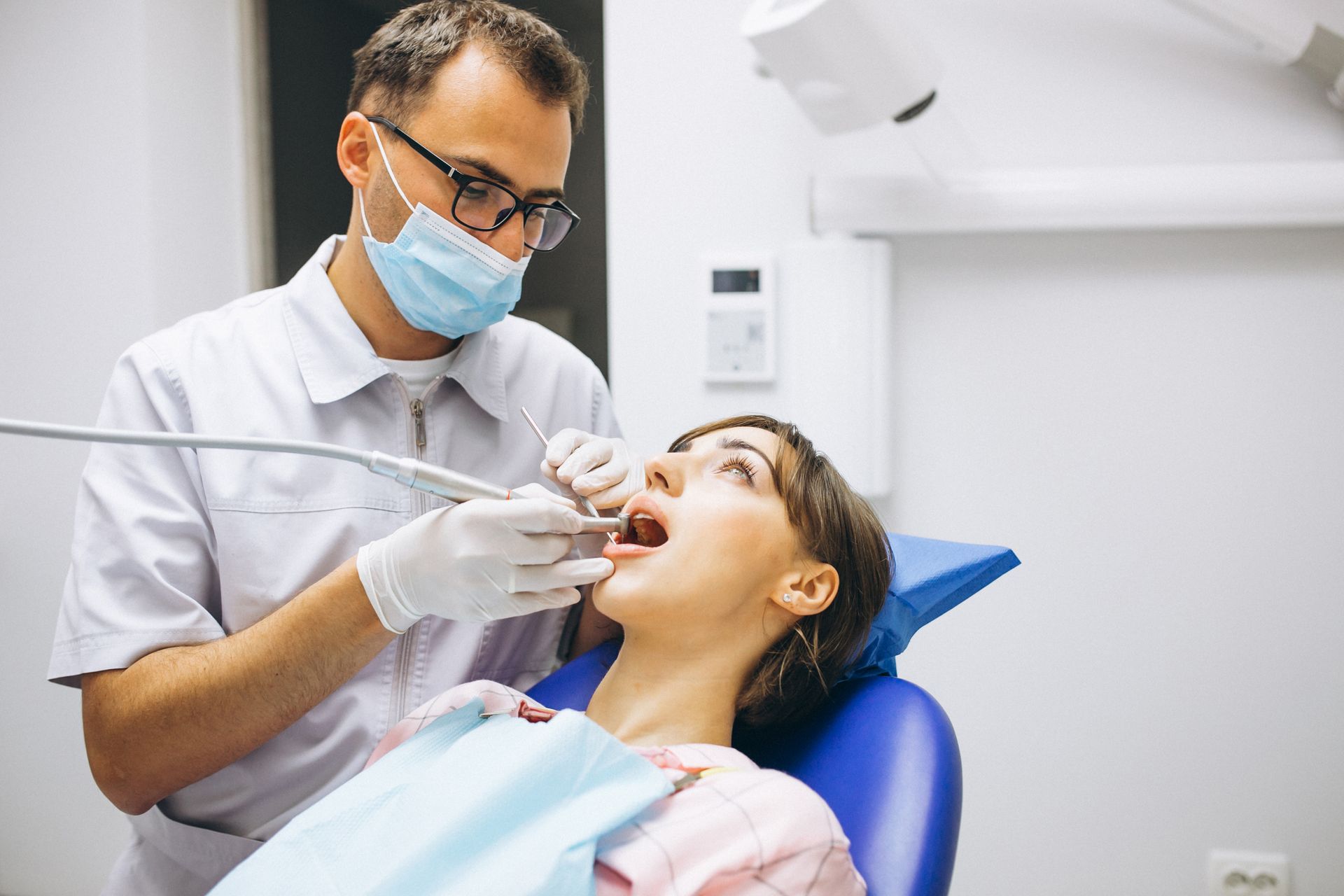
When patients come in after trying DIY whitening strips or gels, the difference in outcomes is usually obvious, not just in shade, but in sensitivity and uneven coloration. We often find that expectations are shaped more by marketing than by dental reality, which is why guidance matters more than guesswork. A professionally guided approach helps avoid unnecessary enamel stress and ensures the whitening process aligns with individual dental conditions.
Shade Science: Why Tooth Color Isn’t a Single Story
Tooth color is not one flat shade; it is a combination of enamel thickness, dentin tone, and natural translucency. A teeth whitening specialist understands that whitening is not simply about making teeth “whiter,” but about balancing these layers so the result looks natural rather than artificial.
In clinical practice, subtle differences between front teeth and molars are evaluated before any treatment begins. We often explain to patients that lighting, age, and even hydration levels can influence how teeth appear at different times of the day. This is why standardized DIY kits struggle; they treat every smile the same, even though no two smiles are identical.
The Chemistry Behind Chairside Brightening Protocols
Whitening agents behave differently depending on concentration, exposure time, and enamel porosity. A teeth whitening specialist uses controlled formulations that break down stains gradually instead of aggressively bleaching the surface.
This controlled chemistry reduces the risk of uneven whitening or overexposure, which can lead to temporary sensitivity spikes. We rely on evidence-based application methods that ensure oxygen-releasing agents penetrate stains safely without weakening enamel structure.
Unlike store-bought options, professional systems allow real-time adjustments based on how teeth respond during treatment, which is a key factor in achieving predictable results.
Why Store-Bought Whitening Misreads Your Enamel Map
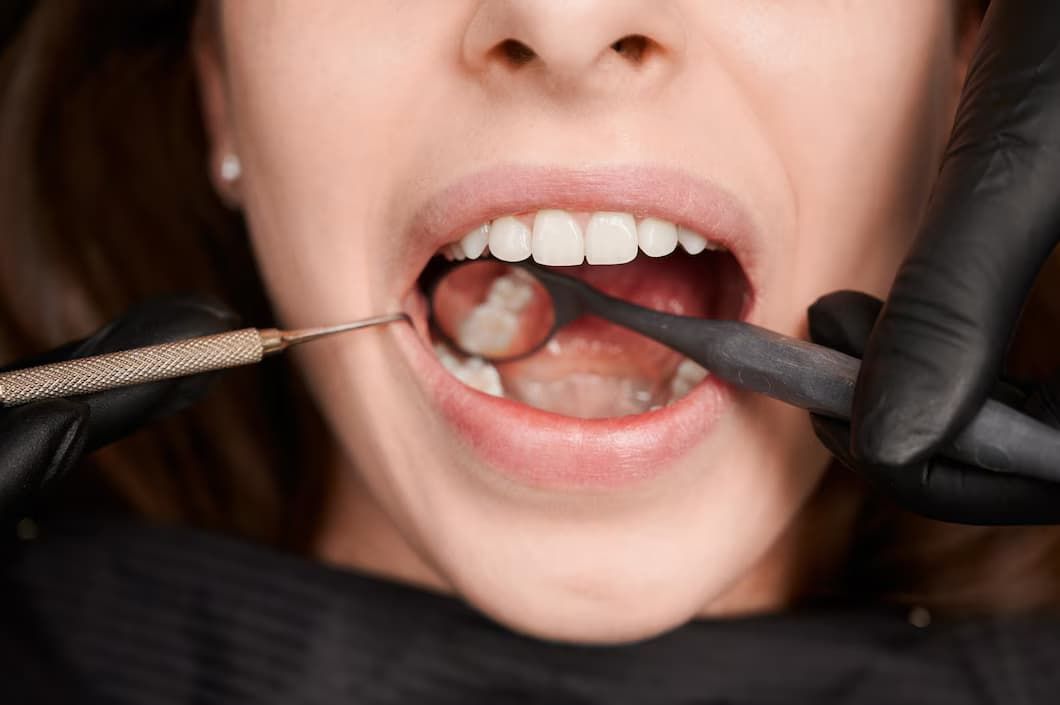
A teeth whitening specialist carefully analyzes enamel texture and stain depth before choosing any treatment approach.
Key issues:
- Surface whitening often misses deeper internal discoloration
- Uneven enamel response causes patchy results
- No assessment of stain origin differences
This is why professional evaluation is essential when aiming for consistent whitening results that respect natural enamel variation patterns observed.
Sensitivity Signals Most People Misinterpret
Tooth sensitivity during whitening is often seen as a warning sign, but it actually reflects how enamel is interacting with whitening agents. A teeth whitening specialist can distinguish between normal temporary sensitivity and reactions that require adjustment in treatment strength or timing.
We see many patients who continue DIY whitening despite discomfort, thinking it is part of the process. However, persistent sensitivity can indicate enamel irritation that should not be ignored.
Understanding these signals helps prevent long-term discomfort and ensures whitening remains a controlled, safe cosmetic procedure rather than an unpredictable experiment.
Clinical Light vs. Home Strips: A Precision Gap
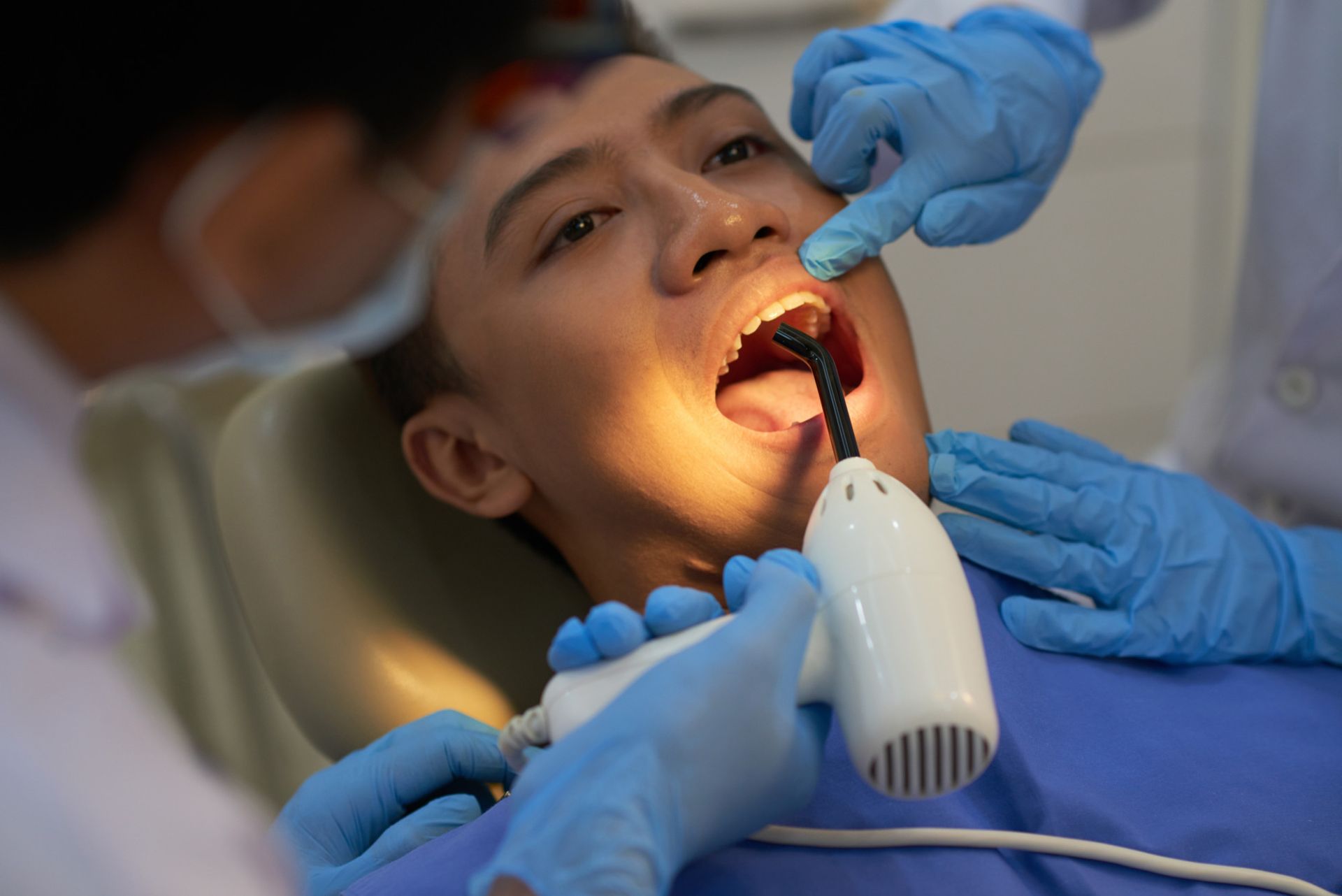
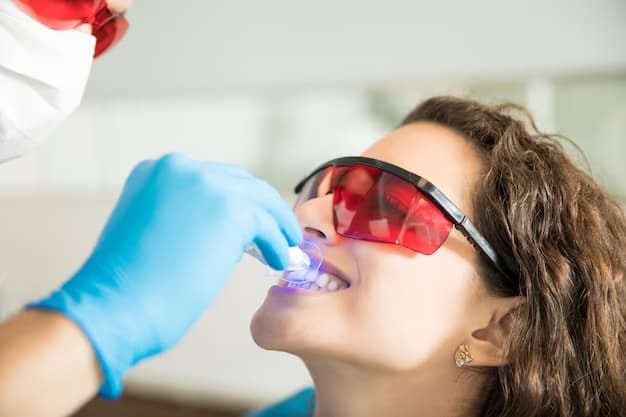
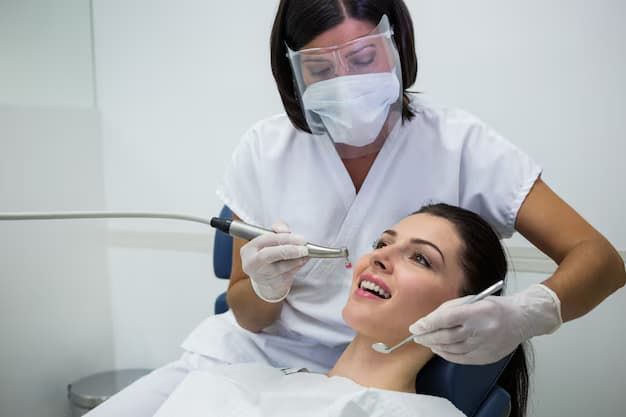
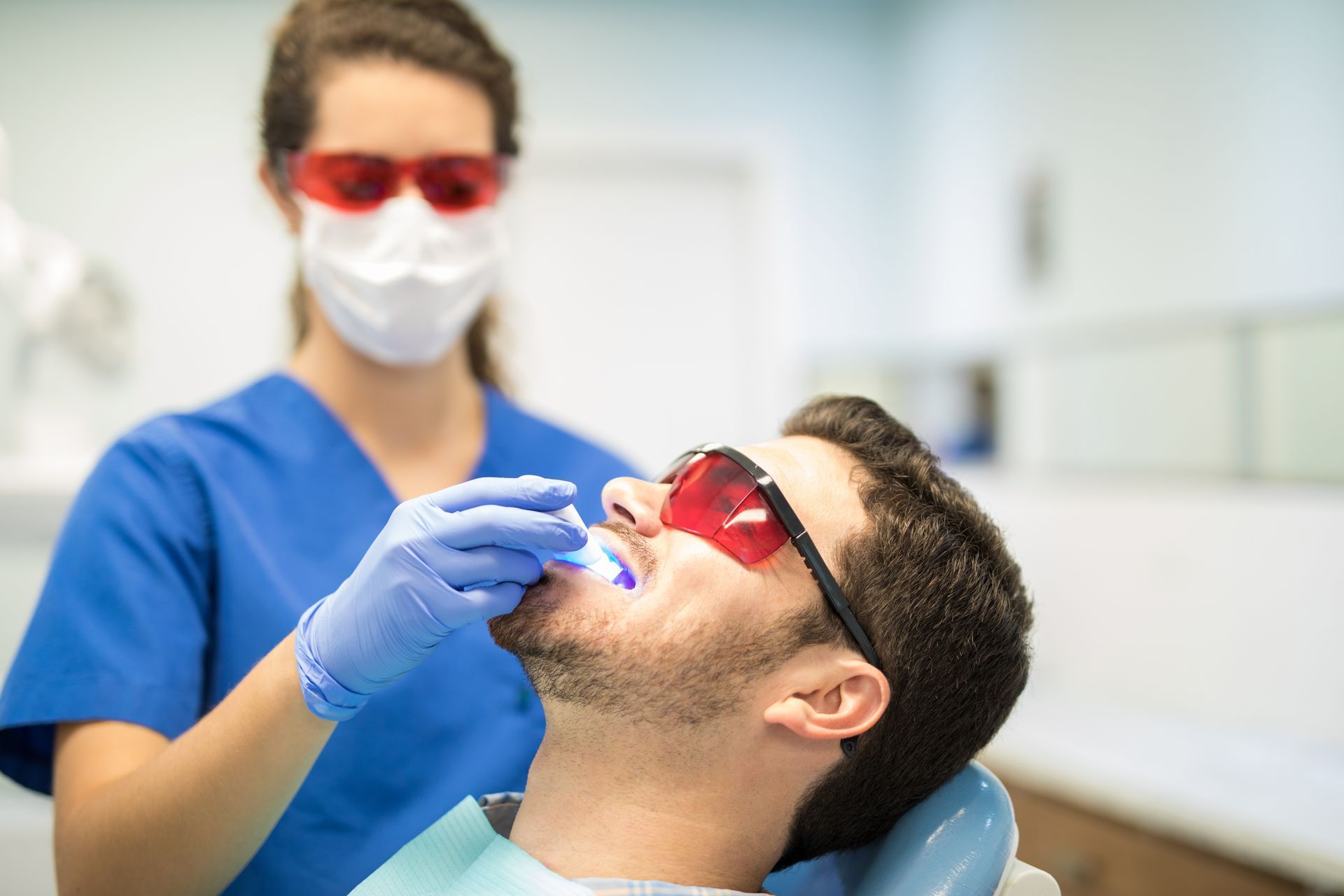
Professional whitening systems often use calibrated light activation or carefully timed gel applications to enhance results. A teeth whitening specialist uses these tools to ensure even whitening across all visible teeth, including areas that strips often miss.
At Flushing Family Dentistry, we evaluate each smile individually before selecting the whitening method that best suits the enamel condition and lifestyle habits. This personalized approach ensures that whitening is not only effective but also comfortable throughout the process.
The difference between clinical systems and DIY strips is not just strength; it is precision, monitoring, and adaptability during the entire procedure.
What a Professional Evaluation Actually Involves
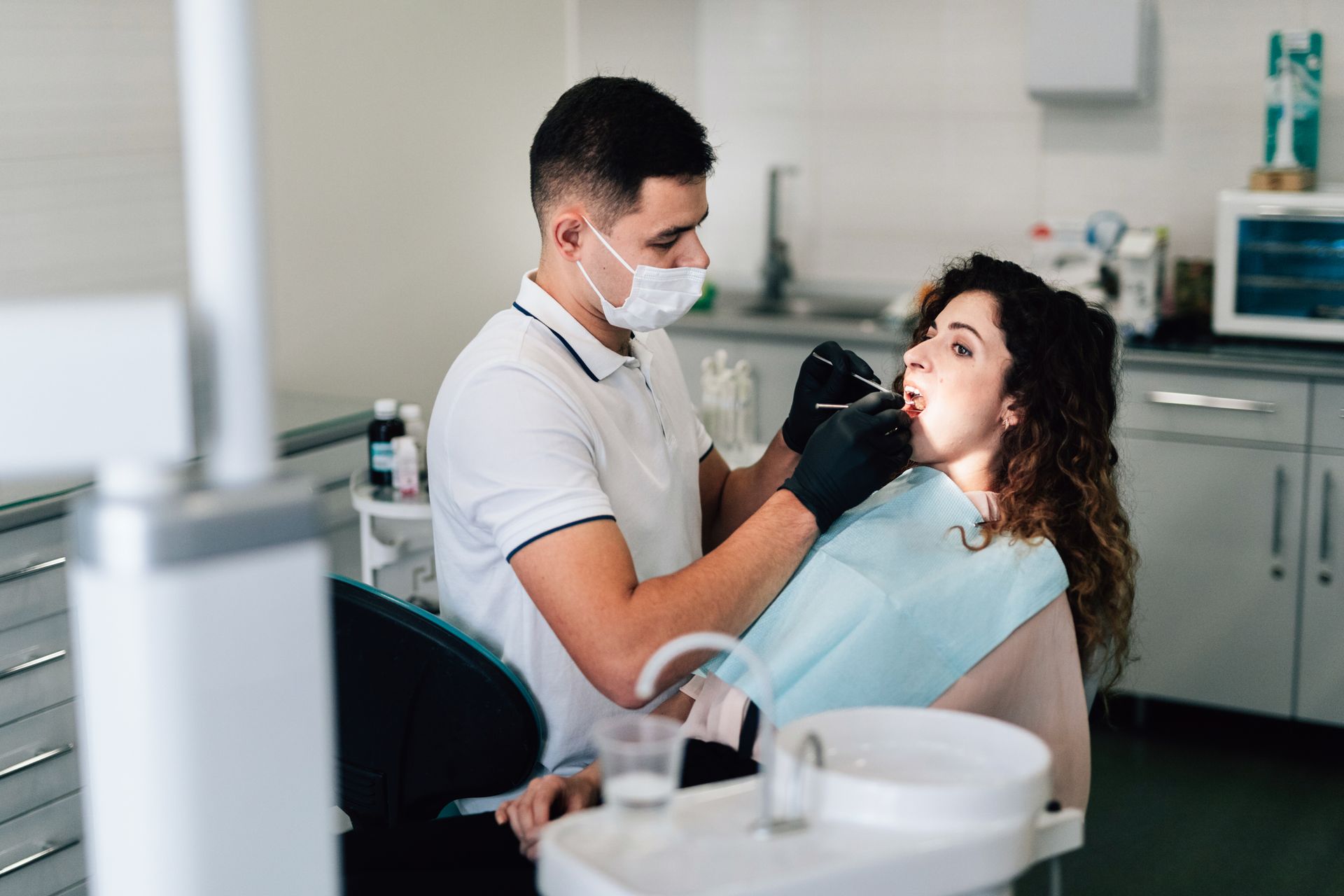
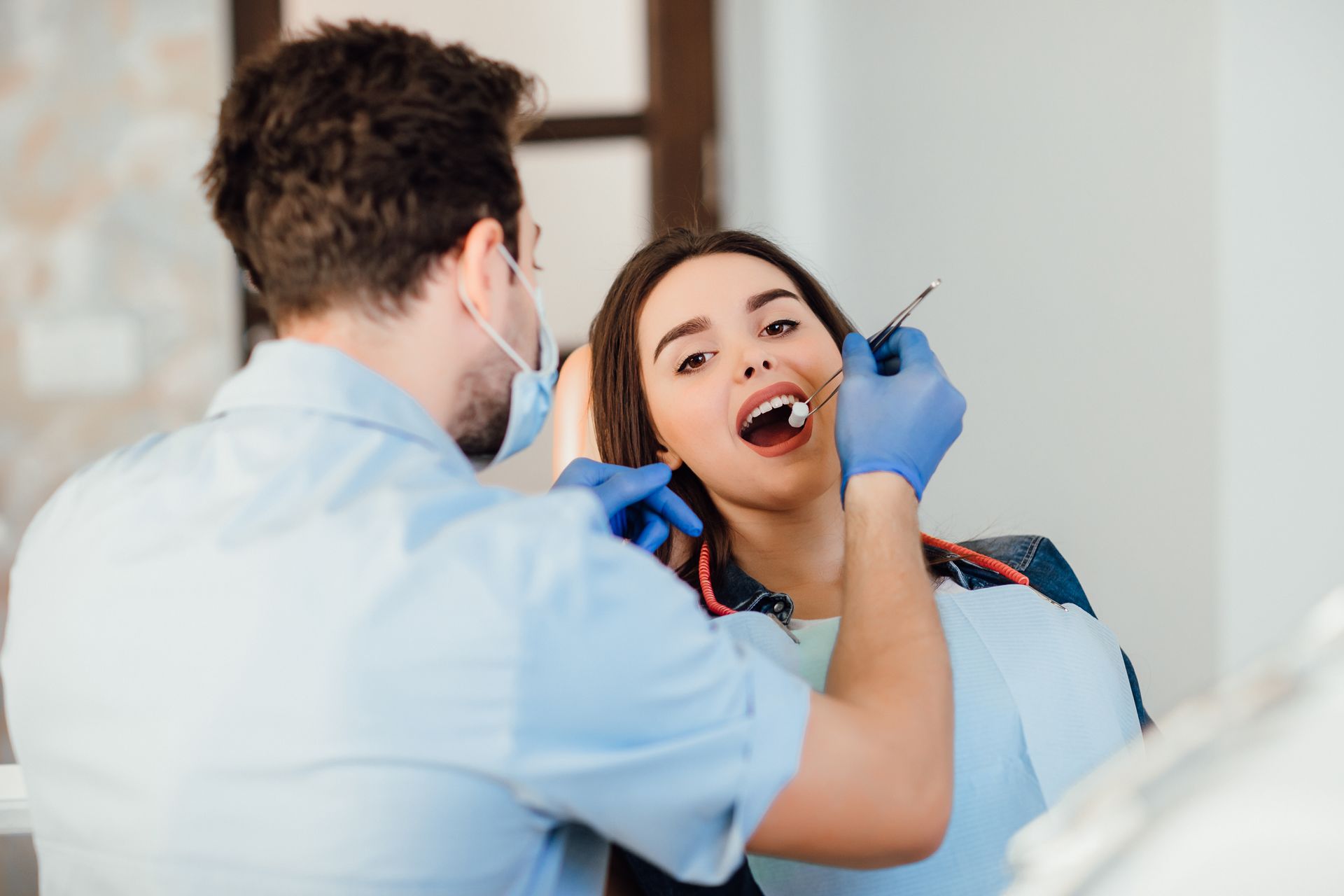
A professional whitening evaluation looks far beyond a simple shade check of teeth. A teeth whitening specialist studies multiple oral factors before recommending any whitening plan.
Assessment focus:
- Gum health and underlying periodontal stability are reviewed
- Existing restorations and bonding materials are evaluated
- Enamel thickness and stain depth determine whitening limits
We use this detailed approach to ensure every treatment is safe, predictable, and suited to each patient’s oral condition.
Aftercare Logic That Extends Whitening Life
Whitening does not end when the treatment is completed; maintenance plays a major role in how long results last. A teeth whitening specialist provides aftercare instructions that focus on diet, hygiene, and stain prevention habits.
At Flushing Family Dentistry, we emphasize the importance of avoiding high-staining foods and maintaining consistent oral care routines after whitening sessions. Even small changes, like rinsing after coffee or using a soft-bristled toothbrush, can significantly extend results.
We also monitor patients during follow-up visits to ensure their enamel remains healthy and their shade stability is maintained over time. This long-term approach helps protect both appearance and oral health.
When Whitening Isn’t the Right First Step
Not every smile is immediately ready for whitening. A teeth whitening specialist sometimes recommends alternative treatments when stains are caused by internal factors or dental restorations.
We prioritize honest guidance over unnecessary procedures, even if it means postponing whitening until conditions are suitable. This ensures that results are not only visible but also appropriate for the patient’s dental structure.
We believe that proper timing is just as important as the treatment itself. When whitening is done at the right stage, results tend to be more even, stable, and satisfying.
A careful assessment prevents wasted effort and ensures that cosmetic improvements align with long-term oral health goals.
Conclusion
Choosing between DIY whitening and professional treatment is not just a matter of convenience; it is a decision that affects enamel health, comfort, and long-term smile appearance. A teeth whitening specialist brings clinical understanding that ensures whitening is tailored, controlled, and safe rather than unpredictable or overly aggressive.
With proper evaluation, guided application, and structured aftercare, whitening becomes a predictable process with lasting benefits instead of a short-lived cosmetic attempt. When approached with expertise and attention to detail, achieving a brighter smile becomes both safer and more rewarding.