Do Protective Dental Coatings Actually Help Prevent Cavities in Children and Adults Long Term?
Yes. Dental sealants are one of the most effective preventive treatments for protecting teeth from decay, especially the deep grooves on molars where food particles and bacteria often collect. Research has consistently shown that properly placed sealants significantly reduce the likelihood of cavities in these areas.
Children usually receive sealants soon after their permanent molars erupt because these teeth are especially vulnerable during the early years. Adults with deep grooves, early signs of enamel wear, or a history of tooth decay may also benefit. If you are looking for a dentist near me offering sealants, an examination can determine whether this preventive option fits your oral health needs.
How do protective dental coatings stop cavities from forming?
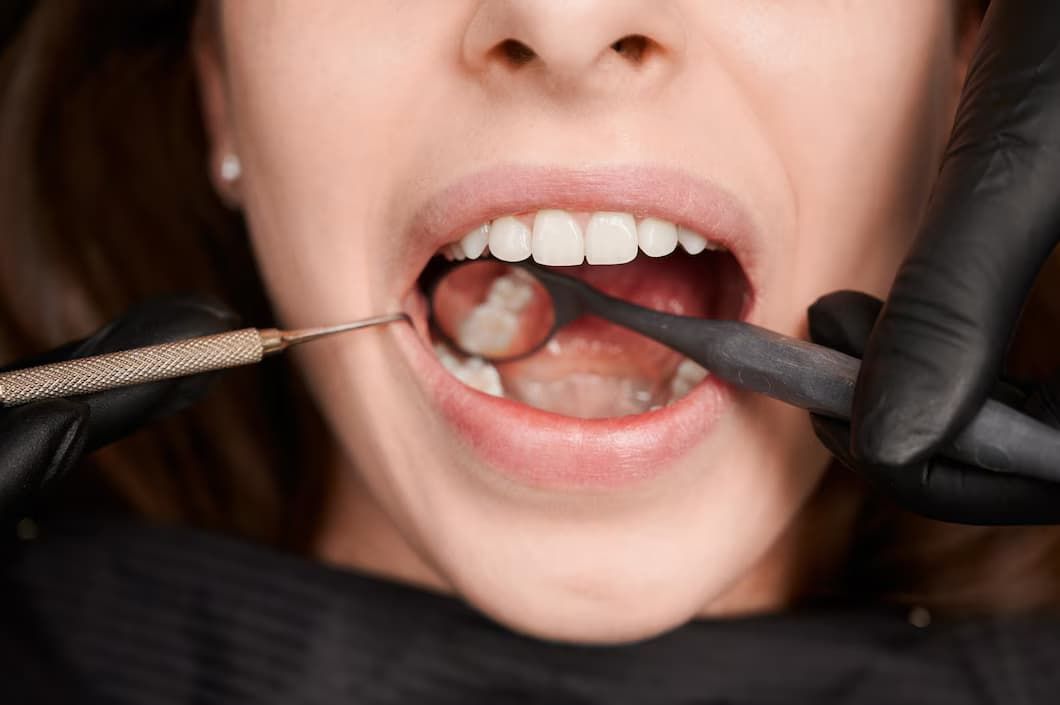
Dental sealants work by sealing the natural pits and grooves on the chewing surfaces where toothbrush bristles often cannot reach completely. The protective coating blocks bacteria, plaque, and food debris from settling into these hard-to-clean spaces.
Unlike fillings, sealants are preventive rather than restorative. They are applied before a cavity develops, helping preserve healthy tooth structure. At Flushing Family Dentistry, every recommendation is based on a careful evaluation of cavity risk, tooth anatomy, and long-term oral health goals instead of using a one-size-fits-all approach.
Who should consider getting dental sealants?
Children between the ages of 6 and 14 are often ideal candidates because their first and second permanent molars are still relatively new and free from decay. Protecting these teeth early can lower the chance of future dental problems.
Adults are not excluded from this treatment. People with deep grooves, recurring cavities, or higher decay risk may also benefit from sealants if the tooth surface remains healthy. Anyone searching for a dentist near me offering sealants should know that age alone does not determine eligibility. A professional evaluation provides the most accurate recommendation.
How long do dental sealants last before they need replacement?
Dental sealants commonly last between five and ten years, although individual results vary depending on chewing habits, oral hygiene, and regular dental care. During routine examinations, dentists check whether the sealant remains fully intact or requires repair.
Even if part of the coating wears away over time, replacing or touching up a sealant is generally quick and straightforward. Scheduling regular checkups allows small issues to be addressed before cavities have the opportunity to develop beneath an unprotected surface. This is another reason many families choose a dentist near me offering sealants as part of their preventive care routine.
Is getting dental sealants painful or time-consuming?
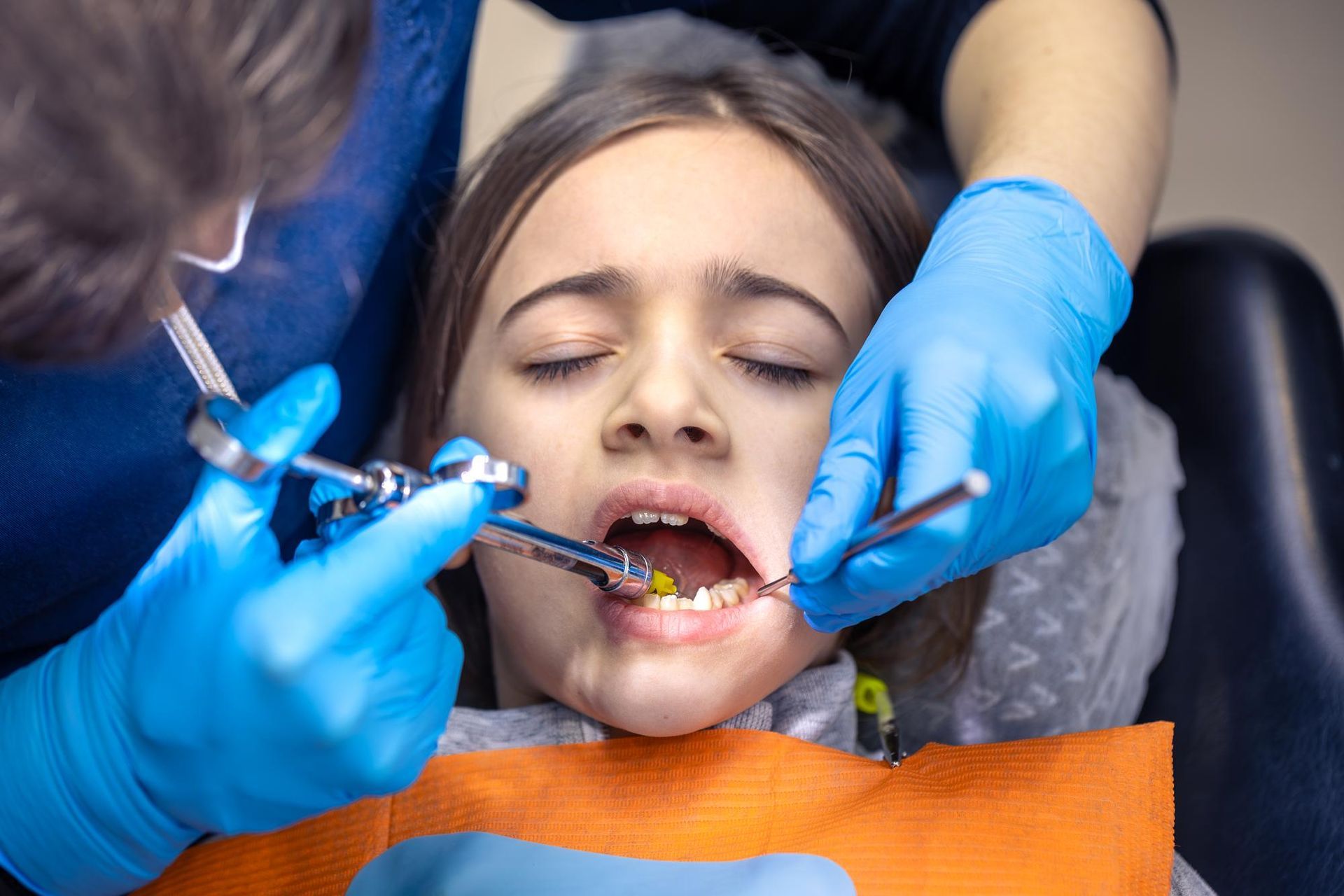
No. Applying dental sealants is completely painless because the tooth is not drilled or altered. The procedure usually takes only a few minutes per tooth.
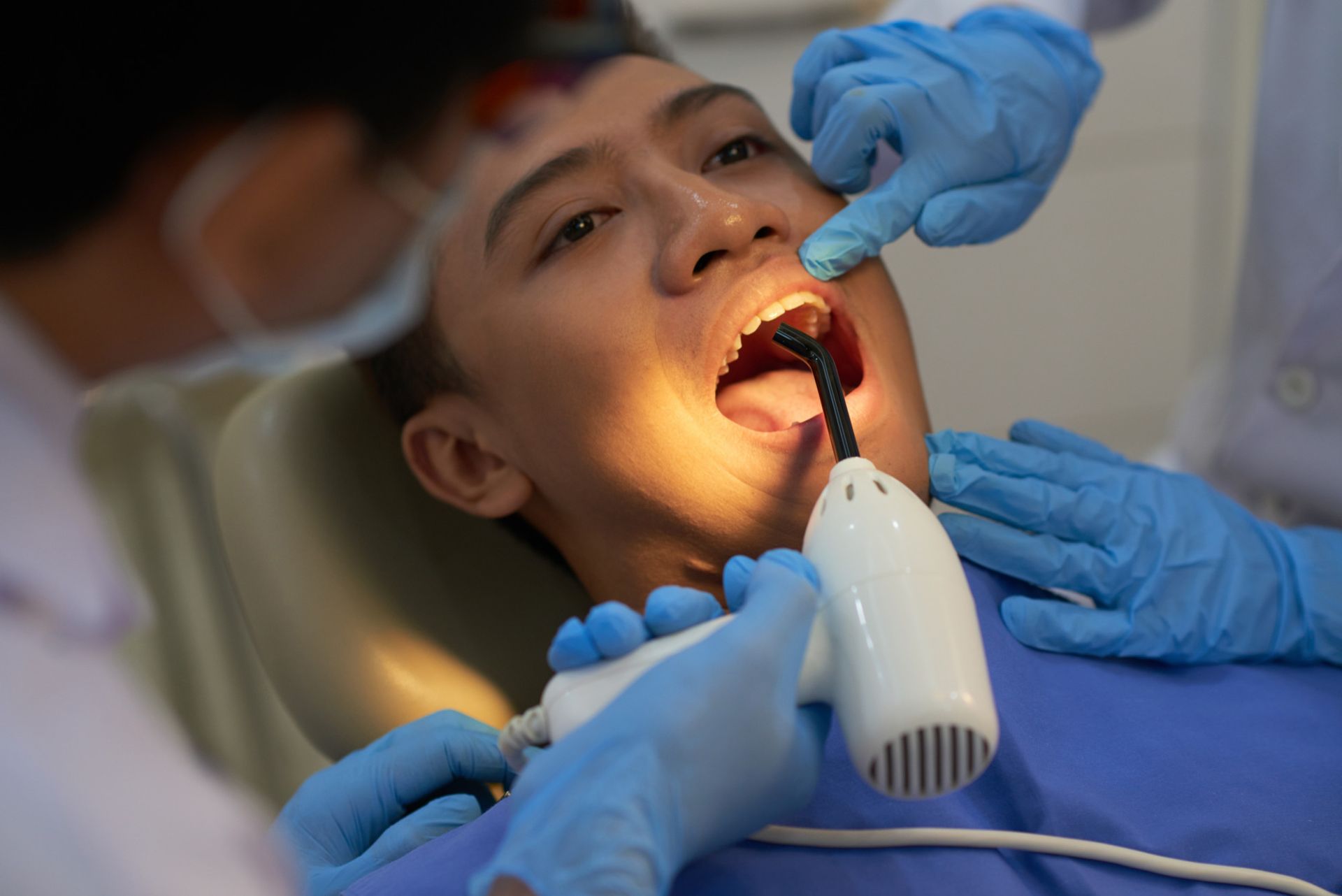
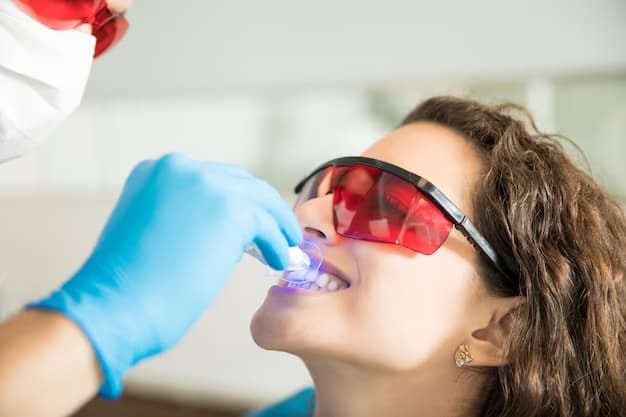
The tooth is cleaned, gently prepared with a conditioning solution, rinsed, dried, and then covered with the sealant material. A special curing light hardens the coating into a durable protective layer. We explain each step clearly so patients understand exactly what to expect before treatment begins.
Can sealants replace brushing, flossing, and routine dental visits?
No. Sealants reduce cavity risk, but they cannot replace daily oral hygiene or professional preventive care. Brushing with fluoride toothpaste, flossing every day, eating a balanced diet, and attending regular dental examinations remain essential.
Sealants protect only the chewing surfaces of specific teeth. Cavities can still develop between teeth or along the gumline if plaque is not removed consistently. Patients searching for a dentist near me offering sealants should view this treatment as one part of a complete preventive dental plan rather than a substitute for healthy habits.
Are dental sealants worth it for long-term oral health?
For many patients, yes. Preventing a cavity is generally simpler, less invasive, and more affordable than treating one after decay has developed. Preserving natural tooth structure also supports better oral health throughout life.
Sealants are especially valuable for patients with deep grooves, a history of cavities, or difficulty cleaning back teeth thoroughly. At Flushing Family Dentistry, recommendations are made after assessing each patient's oral health, lifestyle, and cavity risk to provide care that supports lasting results. Many people begin by searching for a dentist near me offering sealants because they want preventive solutions before dental problems become more complex.
Frequently Asked Questions
Can adults get dental sealants even if they never had them as children?
Yes. Adults with healthy molars that have deep grooves or an increased risk of decay may still benefit from sealants. A dentist evaluates the condition of each tooth before recommending treatment to ensure the protective coating will provide lasting value.
How soon can children eat after getting sealants?
Children can usually eat immediately after the sealants have fully hardened, which happens within minutes using a curing light. Choosing softer foods for the remainder of the day may improve comfort if they are adjusting to the new surface.
Will dental sealants change how my teeth feel?
Most people notice little to no difference after treatment. Some patients briefly feel a slight change in the chewing surface, but this sensation usually disappears within a few days as the teeth naturally adapt.
How can I tell if my sealants need to be replaced?
Sealants should be checked during routine dental visits because small areas of wear are often difficult to detect at home. A dentist near me offering sealants can identify damage early and restore protection before decay develops.
Are dental sealants safe for both children and adults?
Yes. Dental sealants have been used safely for decades and are supported by extensive clinical research. They are considered a reliable preventive treatment for eligible patients when applied and monitored by qualified dental professionals.
Where can I learn if sealants are right for my teeth?
The best approach is a comprehensive dental examination that evaluates cavity risk, tooth anatomy, and oral hygiene habits. Our team provides individualized recommendations so patients understand whether sealants will offer meaningful long-term protection.
Conclusion
Dental sealants remain one of the most practical ways to reduce the risk of cavities before they begin. They provide effective protection for many children and can also benefit adults with suitable teeth and elevated cavity risk. Combined with good oral hygiene, balanced nutrition, and regular dental visits, sealants contribute to healthier smiles for years to come.
If you have been searching for a dentist near me offering sealants, scheduling a professional evaluation is the best way to learn whether this preventive treatment fits your long-term oral health needs.